
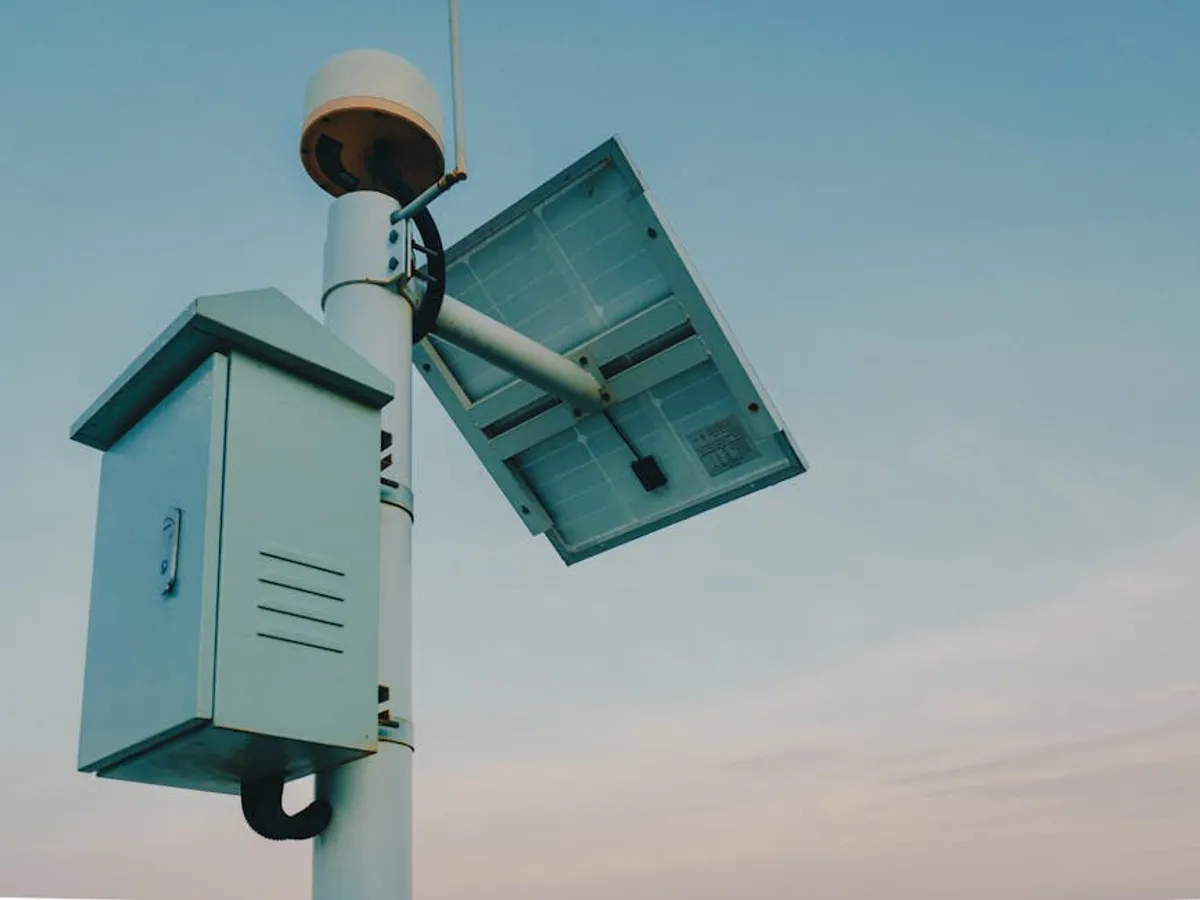
Modern homes extend their functionality beyond internal walls, demanding technology that withstands environmental challenges while maintaining connectivity and smart control. Integrating weatherproof smart devices means extending convenience, security, and efficiency to outdoor spaces, from gardens and patios to driveways and entry points. The decision to invest in these systems requires evaluating durability, connectivity protocols, power sources, and seamless integration with existing smart home ecosystems. Selecting the right components ensures reliable performance regardless of weather conditions, enhancing both the utility and value of outdoor living areas. Understanding the core principles is key, so consider a beginner's guide to weatherproof smart devices for a solid foundation.
Key Considerations for Outdoor Smart Tech
Before committing to any weatherproof smart device, several factors warrant careful assessment to ensure compatibility, longevity, and effective operation in an outdoor environment. These elements dictate the device's resilience and its ability to meet specific needs.
- IP Rating (Ingress Protection): This two-digit code indicates a device's resistance to solids (dust, dirt) and liquids (water). The first digit ranges from 0 to 6, with 6 being dust-tight. The second digit ranges from 0 to 9, with higher numbers indicating resistance to powerful water jets or immersion. For outdoor use, an IP65 rating or higher is generally recommended for direct exposure to rain and dust, while IPX4 might suffice under a covered porch.
- Connectivity: Most smart devices rely on Wi-Fi, Bluetooth, or Zigbee. For outdoor installations, Wi-Fi range and signal strength are critical, especially for devices placed further from the main router. Mesh Wi-Fi systems or outdoor-rated Wi-Fi extenders can mitigate signal drop-offs. Ensure the device's protocol is compatible with your existing smart home hub or app.
- Power Source: Outdoor devices can be battery-powered, hardwired, or solar-powered. Battery-powered options offer installation flexibility but require periodic recharging or replacement. Hardwired devices provide continuous power but necessitate professional installation or access to outdoor outlets. Solar-powered devices are eco-friendly and self-sufficient but depend on adequate sunlight and may not perform optimally in shaded areas or during prolonged cloudy periods.
- Operating Temperature Range: Beyond water and dust, outdoor devices must tolerate extreme temperatures. Check the manufacturer's specifications for the minimum and maximum operating temperatures to ensure the device will function reliably in your local climate, whether it's freezing winters or scorching summers.
- Integration and Ecosystem: Consider how new devices will integrate with your current smart home platform (e.g., Apple HomeKit, Google Home, Amazon Alexa, Samsung SmartThings). Seamless integration allows for centralized control, automation routines, and a unified user experience. Opting for devices within a single ecosystem often simplifies setup and management.
- Security and Privacy: Outdoor devices, especially cameras, collect sensitive data. Verify the device's security features, including data encryption, multi-factor authentication, and privacy settings. Choose brands with a reputation for robust data protection and regular firmware updates.
1. Arlo
Outdoor security cameras provide crucial monitoring for property perimeters, entry points, and vulnerable areas. These devices typically feature high-definition video recording, night vision capabilities, and motion detection. Weatherproofing is a primary concern, with most models designed to withstand rain, dust, and temperature fluctuations, often indicated by an IP rating of IP65 or higher, making them suitable for direct outdoor exposure.
Best for: Comprehensive perimeter surveillance and event-triggered recording.
Pros: Wireless installation flexibility, integrated siren options, cloud storage for footage.
Cons: Battery life can vary significantly with usage, subscription often required for full feature sets.
Verdict: Essential for proactive security monitoring, but assess ongoing costs for cloud services and battery maintenance.
2. Philips Hue
Smart outdoor lighting systems offer more than just illumination; they provide customizable ambiance, enhanced security through scheduling, and remote control. These systems often consist of smart bulbs, light strips, or fixtures designed with weather-resistant casings (e.g., IP65) and durable materials. Connectivity typically relies on a bridge or hub for seamless integration with other smart home devices and voice assistants, allowing for complex light routines and scene creation.
Best for: Aesthetic landscape lighting, security illumination, and automated outdoor ambiance.
Pros: Extensive color and brightness customization, energy efficiency with LED technology, geofencing capabilities.
Cons: Initial setup costs can be high for extensive installations, requires a bridge for full functionality.
Verdict: Transforms outdoor spaces with intelligent, dynamic lighting, justifying the investment for tailored control and energy savings.
3. Rachio
Smart sprinkler controllers automate irrigation based on local weather forecasts, soil type, plant needs, and seasonal adjustments. These devices connect to existing sprinkler systems and use Wi-Fi to access real-time weather data, preventing overwatering or underwatering. While the controller unit itself is often installed indoors or in a weather-protected garage, its integration with outdoor sensors and the control of outdoor valves makes it a critical component of a weatherproof smart home ecosystem for yard management.
Best for: Water conservation, optimized garden health, and automated lawn care.
Pros: Significant water bill reduction, remote control via smartphone, EPA WaterSense certification for rebates.
Cons: Requires existing sprinkler system infrastructure, initial setup can involve wiring existing zones.
Verdict: A smart investment for eco-conscious homeowners seeking efficient, hands-off landscape irrigation.
4. August
While most smart locks are designed for indoor installation on doors, some manufacturers offer models or accessories with enhanced weather resistance suitable for gates or doors with direct outdoor exposure. These locks typically incorporate stronger seals and materials to protect internal electronics from moisture and dust, often meeting an IPX4 or higher standard. They offer keyless entry, remote access control, and integration with smart home platforms for security monitoring.
Best for: Secure, keyless access to gates, sheds, or outbuildings with smart home integration.
Pros: Remote locking/unlocking, guest access management, activity logs for entry/exit.
Cons: Battery life can be affected by extreme temperatures, not all models are fully waterproof for direct exposure.
Verdict: Adds convenience and control to outdoor access points, but verify specific weather ratings for direct exposure applications.
5. TP-Link Kasa
Outdoor smart plugs convert any standard outdoor electrical outlet into a smart, controllable power source. These devices are designed with robust, weather-resistant casings, typically IP64 or IP66 rated, to protect against rain, dust, and temperature fluctuations. They allow users to remotely control outdoor lights, holiday decorations, pond pumps, or other appliances via a smartphone app or voice commands, often with scheduling and timer functions.
Best for: Remote control and scheduling of outdoor electrical appliances and lighting.
Pros: Simple installation, cost-effective way to smarten existing outdoor devices, energy monitoring capabilities.
Cons: Limited to the range of the Wi-Fi network, may occupy both outlets on a duplex receptacle.
Verdict: An accessible entry point for automating outdoor electronics, providing convenience and potential energy savings.
6. Sonos
Outdoor smart speakers bring high-fidelity audio to patios, decks, and poolside areas without fear of weather damage. These speakers are engineered with durable, UV-resistant materials and often boast an IPX4 or higher rating, protecting them from splashes, rain, and extreme temperatures. They typically connect via Wi-Fi or Bluetooth, offering multi-room audio capabilities and integration with streaming services and voice assistants.
Best for: Delivering high-quality, weather-resistant audio for outdoor entertainment spaces.
Pros: Robust construction, excellent sound quality, seamless integration with existing multi-room audio setups.
Cons: Higher price point than indoor counterparts, may require professional installation for hardwired options.
Verdict: Elevates outdoor gatherings with premium sound, a worthwhile investment for dedicated entertainment areas.
7. Netatmo
Smart weather stations provide real-time, hyper-local environmental data directly to a smartphone or integrated smart home system. These stations typically include outdoor modules that measure temperature, humidity, barometric pressure, and sometimes wind speed and rainfall. Designed to be fully weatherproof (e.g., IPX4 or higher), they offer insights into microclimates and can inform decisions related to gardening, energy consumption, or outdoor activities.
Best for: Detailed local weather monitoring, environmental data collection, and smart home automation triggers.
Pros: Highly accurate local data, long-term data logging, integration with other smart home devices for automation.
Cons: Requires careful placement for accurate readings, additional modules for comprehensive data increase cost.
Verdict: Provides valuable environmental intelligence, enabling data-driven decisions for home and garden management.
8. Meross
Smart garage door openers, particularly those with outdoor-rated sensors or control units, allow for remote monitoring and control of garage access. While the main opener unit is typically inside, the external sensor and connectivity components must withstand outdoor conditions. These systems enable users to open or close the garage door from anywhere, receive notifications when it's opened or left open, and grant temporary access to deliveries or guests, enhancing both convenience and security.
Best for: Remote garage access control, security monitoring, and package delivery management.
Pros: Enhanced security with activity alerts, seamless integration with voice assistants, easy installation with existing openers.
Cons: Requires a stable Wi-Fi connection in the garage, compatibility with older garage door openers can vary.
Verdict: A practical upgrade for modernizing garage access, offering peace of mind and operational flexibility.
9. PetSafe
Outdoor smart pet feeders are designed to dispense food or treats at scheduled times, even in outdoor environments. These devices feature weather-resistant construction (e.g., IPX4) to protect food from moisture and pests, and often include features like portion control, remote feeding, and battery backup. They are particularly useful for pet owners with outdoor animals or those who need to manage feeding schedules while away from home.
Best for: Automated and controlled feeding of outdoor pets, ensuring consistent nutrition.
Pros: Customizable feeding schedules and portions, remote control via app, durable construction.
Cons: Requires regular cleaning to prevent residue buildup, battery-operated models need monitoring.
Verdict: Offers convenience and reliability for pet care, particularly beneficial for maintaining routines or during absences.
10. Hayward
Smart pool and spa controllers automate the management of water chemistry, filtration, heating, and lighting. These systems integrate with existing pool equipment, often featuring robust, weather-resistant control panels designed for outdoor installation. They allow owners to monitor and adjust pool parameters remotely via a smartphone app, optimizing water quality, energy consumption, and overall pool maintenance, reducing manual effort and chemical usage.
Best for: Automated and efficient management of pool and spa operations, reducing maintenance effort.
Pros: Remote monitoring and control, energy efficiency through optimized scheduling, precise chemical balancing.
Cons: High initial investment, professional installation often required, complex setup for advanced features.
Verdict: Transforms pool maintenance from a chore to a streamlined, automated process, enhancing enjoyment and longevity of pool equipment.
11. Ecobee
While primarily known for indoor thermostats, some smart home ecosystems offer outdoor temperature and humidity sensors that integrate with the main system. These external sensors are typically small, battery-powered, and designed with an IPX4 or similar rating to withstand outdoor elements. They provide localized environmental data that can be used to inform indoor climate control, trigger outdoor device automations, or simply offer precise local weather insights.
Best for: Hyper-local outdoor temperature and humidity monitoring, informing indoor climate control decisions.
Pros: Small form factor, easy placement, valuable data for environmental awareness and automation.
Cons: Limited functionality as a standalone device, battery replacement required, range can be a factor.
Verdict: A useful addition for granular environmental data, enhancing the accuracy of smart home automations tied to outdoor conditions.
12. Ghost Controls
Smart gate openers provide automated and secure access to property gates, integrating convenience with enhanced security. These systems typically consist of a weather-resistant motor unit, control board, and remote or smart device connectivity. They allow users to open and close gates remotely, set schedules, and often include safety features like obstruction detection. The robust construction is designed to withstand continuous outdoor exposure and heavy usage.
Best for: Automated, secure access control for driveways and property entrances.
Pros: Remote operation, enhanced property security, customizable access permissions.
Cons: Professional installation often recommended, battery backup systems require maintenance, potential for signal interference.
Verdict: A significant upgrade for property access, combining convenience, security, and robust outdoor performance.
Choosing the Right Weatherproof Smart Device Ecosystem
Selecting individual weatherproof smart devices is only part of the equation; integrating them into a cohesive ecosystem ensures maximum utility and a streamlined user experience. Consider how each new device contributes to the overall smart home strategy and its compatibility with existing platforms.
- Ecosystem Compatibility: Prioritize devices that natively integrate with your preferred smart home hub or voice assistant (e.g., Google Home, Amazon Alexa, Apple HomeKit). This prevents the need for multiple apps and ensures devices can communicate and trigger automations across different functions.
- Scalability: Plan for future expansion. Choose systems that allow for easy addition of new devices as your needs evolve. A flexible ecosystem avoids proprietary lock-ins and offers a wider range of compatible products.
- Long-Term Support and Updates: Opt for established brands that provide regular firmware updates, security patches, and reliable customer support. This ensures your devices remain secure, functional, and compatible with evolving smart home standards over time.
- Installation and Maintenance: Assess the complexity of installation. Some devices are DIY-friendly, while others may require professional assistance for wiring or robust mounting. Factor in ongoing maintenance, such as battery replacements, cleaning, or software updates.
Frequently Asked Questions About Weatherproof Smart Devices
What does an IP rating mean for outdoor devices?
The IP (Ingress Protection) rating indicates a device's resistance to solids and liquids. The first digit refers to solid particle protection (0-6), and the second digit refers to liquid ingress protection (0-9). For outdoor devices, an IP65 or higher rating is generally recommended for direct exposure to elements, signifying dust-tightness and resistance to water jets.
Can outdoor smart devices work with my existing indoor smart home system?
Yes, most outdoor smart devices are designed to integrate seamlessly with popular indoor smart home ecosystems like Google Home, Amazon Alexa, Apple HomeKit, or Samsung SmartThings. Ensure compatibility by checking the product specifications and your existing hub's supported protocols (Wi-Fi, Zigbee, Z-Wave, Bluetooth).
How are outdoor smart devices typically powered?
Powering options vary: battery-powered devices offer flexibility but require recharging; hardwired devices provide continuous power but need professional installation; and solar-powered devices are energy-efficient but depend on sunlight exposure.
Are outdoor smart devices secure from hacking?
Reputable brands prioritize security with features like data encryption, multi-factor authentication, and regular firmware updates. To enhance security, use strong, unique passwords, enable two-factor authentication, and keep device firmware updated. Avoid connecting to unsecured public Wi-Fi networks.
What is the typical lifespan of a weatherproof smart device?
The lifespan varies significantly based on device type, build quality, and exposure to extreme conditions. Generally, well-maintained, high-quality outdoor smart devices can last several years, often 5-10 years, assuming they are within their specified operating temperature and IP rating limits.