
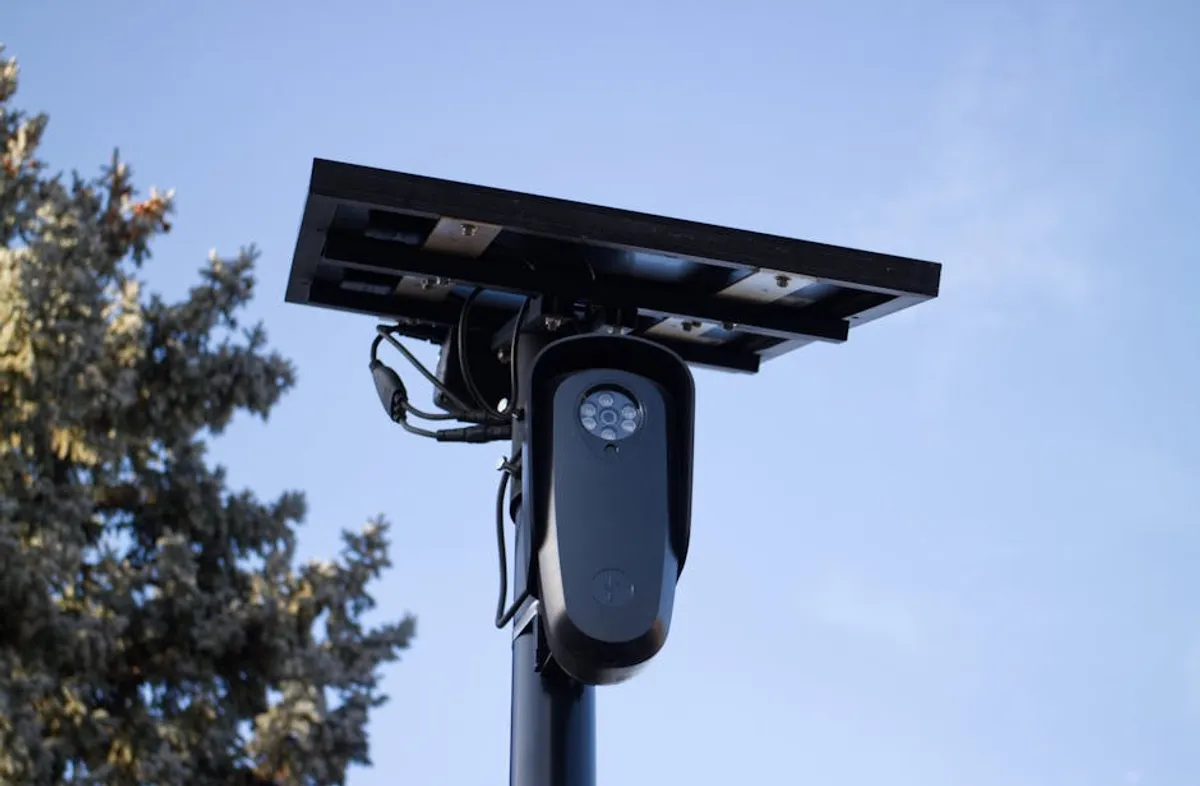
Extending smart home technology beyond interior walls introduces a critical consideration: environmental resilience. Weatherproof smart devices are engineered to withstand the elements, ensuring continuous operation and longevity in outdoor settings. For buyers, the decision hinges on understanding specific protection levels, power requirements, and connectivity options to match a device's capabilities with its intended outdoor environment. This guide outlines the essential factors for selecting and deploying smart technology that endures sun, rain, dust, and temperature fluctuations.
Understanding Weatherproofing Ratings
The primary indicators of a device's outdoor suitability are its ingress protection (IP) and, less commonly for consumer electronics, NEMA ratings. These classifications quantify a device's resistance to solid particles and liquids, providing a standardized measure of durability.
Ingress Protection (IP) Ratings
IP ratings consist of two digits: the first indicates protection against solids (dust, dirt), and the second indicates protection against liquids (water). Higher numbers signify greater protection.
- First Digit (Solids):
- 0: No protection.
- 6: Dust tight. No ingress of dust; complete protection against contact.
- Second Digit (Liquids):
- 0: No protection.
- 5: Protected against water jets. Water projected by a nozzle from any direction shall have no harmful effects.
- 6: Protected against powerful water jets. Water projected in powerful jets from any direction shall have no harmful effects.
- 7: Protected against temporary immersion. Ingress of water in harmful quantity shall not be possible when the enclosure is immersed in water under defined conditions of pressure and time (up to 1 meter of submersion for 30 minutes).
- 8: Protected against continuous immersion. The equipment is suitable for continuous immersion in water under conditions specified by the manufacturer (typically deeper than 1 meter).
For most outdoor smart devices exposed to rain or sprinklers, an IP rating of IP65 or IP66 is typically sufficient. Devices intended for submersion, like pool sensors, require IP67 or IP68.
NEMA Enclosure Types
NEMA (National Electrical Manufacturers Association) ratings are more common in industrial applications but occasionally appear on robust outdoor consumer electronics. These ratings consider broader environmental factors, including corrosion, ice formation, and hazardous locations. For general outdoor use, look for NEMA Type 3R (rain, sleet, snow, external ice formation) or NEMA Type 4 (windblown dust and rain, splashing water, hose-directed water, external ice formation) if an IP rating is not provided.
Key Considerations for Outdoor Smart Devices
Beyond basic weatherproofing, several factors influence the performance and longevity of outdoor smart devices.
Power Source and Connectivity
Outdoor environments present unique challenges for power and network access. Devices may be battery-powered, solar-powered, or require hardwired electrical connections. Battery-powered devices offer flexibility but necessitate periodic recharging or replacement, with battery life often reduced in extreme temperatures. Solar-powered options provide sustainable energy but depend on adequate sunlight exposure. Hardwired devices offer reliable power but require professional installation and access to existing electrical lines.
For connectivity, Wi-Fi range is a common hurdle. Outdoor Wi-Fi extenders or mesh network nodes may be necessary to ensure a stable connection. Some devices utilize cellular connectivity, which incurs a subscription cost but offers independence from local Wi-Fi infrastructure.
Temperature Extremes and UV Resistance
Weatherproof ratings primarily address water and dust, but temperature and UV exposure are equally critical. Devices must be rated for the expected ambient temperature range of their deployment location, from freezing winters to scorching summers. Extreme cold can degrade battery performance and impact display functionality, while intense heat can shorten the lifespan of internal components. Furthermore, prolonged exposure to ultraviolet (UV) radiation from the sun can cause plastic casings to become brittle, discolored, or crack over time. Look for devices explicitly stating UV-resistant materials or coatings.
Installation and Maintenance
Proper installation is paramount for maintaining a device's weatherproofing integrity. This includes secure mounting to prevent wind damage, proper sealing around cable entries, and ensuring drainage for any accumulated moisture. Regular maintenance, such as cleaning lenses on cameras or sensors and periodically checking seals, helps preserve functionality. Software and firmware updates are also crucial for security and performance, even for outdoor hardware.
Common Weatherproof Smart Devices and Their Applications
The market for outdoor smart devices continues to expand, offering solutions for security, lighting, and environmental control.
Outdoor Smart Lighting
These include smart floodlights, pathway lights, and decorative string lights. Key features often include adjustable brightness (lumens), color temperature control, scheduling capabilities, and integration with motion sensors. Many models are designed for low-voltage systems, simplifying installation, and typically carry an IP65 or IP66 rating to withstand rain and sprinklers.
Weatherproof Security Cameras
Outdoor smart cameras offer surveillance with features like high-definition resolution (1080p, 2K, 4K), wide fields of view, night vision (infrared or color), and two-way audio. Storage options vary, from local SD card recording to cloud-based subscriptions. An IP65 or IP66 rating is standard, with some offering IP67 for more demanding conditions. Operating temperature ranges are critical for these devices, as they need to function continuously.
Smart Sprinkler Controllers
These devices connect to existing irrigation systems, allowing remote control and automated scheduling. Advanced models integrate with local weather forecasts to adjust watering schedules, preventing overwatering during rain or increasing it during dry spells. They typically feature robust, weather-resistant enclosures (IPX4 or higher) to protect internal electronics from splashes and rain.
Outdoor Smart Plugs and Outlets
Designed to control outdoor appliances like decorative lights or pool pumps, these devices extend smart home functionality to the exterior. Look for models with individual outlet control, scheduling, and energy monitoring. They require a minimum IP44 rating for splash resistance, with IP66 being ideal for direct exposure to powerful water jets.
Pro Tip: Always cross-reference a device's stated weatherproofing with its actual intended use environment. An "outdoor" rating might not cover direct, prolonged submersion or extreme coastal salt spray unless specifically stated in the manufacturer's specifications. Verify the full operating temperature range and UV resistance for your specific climate.
Maximizing Durability and Performance
To ensure your weatherproof smart devices deliver long-term value, consider these practices:
- Strategic Placement: Position devices under eaves or in partially sheltered areas whenever possible to reduce direct exposure to the harshest elements, even if they are rated for full exposure. This can extend their lifespan.
- Cable Management: Use weather-resistant conduit or cable ties to secure and protect wiring from physical damage, UV degradation, and moisture ingress at connection points.
- Regular Cleaning: Periodically clean lenses on cameras and sensors to ensure clear vision and accurate readings. Dust, pollen, and water spots can impair functionality.
- Firmware Updates: Keep device firmware updated. Manufacturers often release updates that improve performance, enhance security, and sometimes optimize power consumption or environmental resilience.
- Signal Strength Verification: Before final installation, test Wi-Fi signal strength at the intended location to ensure reliable connectivity. Weak signals can lead to dropped connections and inconsistent performance.
Selecting the Right Device for Your Needs
Choosing the appropriate weatherproof smart device involves more than just selecting the highest IP rating. It requires a detailed assessment of the device's specific application, the environmental conditions it will face, and its integration into your existing smart home ecosystem. Prioritize devices with robust build quality, comprehensive weatherproofing, and a reputation for reliability in outdoor settings. Balancing these factors ensures that your outdoor smart technology provides seamless functionality and lasting performance, enhancing your property's security, convenience, and aesthetic appeal for years to come.
Frequently Asked Questions
What do IP ratings mean for outdoor devices?
IP (Ingress Protection) ratings indicate how well a device is protected against solid objects (like dust) and liquids (like water). The first digit refers to solids (0-6), and the second to liquids (0-8), with higher numbers signifying greater protection. For outdoor use, IP65 or IP66 is generally recommended for rain and dust.
Can I use an indoor smart device outdoors if it's under an overhang?
While an overhang offers some protection from direct rain, indoor devices are not typically designed to withstand humidity, temperature extremes, or condensation that can occur even in sheltered outdoor areas. This can lead to premature failure and void warranties. Always opt for devices explicitly rated for outdoor use.
How do extreme temperatures affect weatherproof smart devices?
Extreme cold can reduce battery life significantly and cause LCD screens to become sluggish or freeze. High heat can accelerate the degradation of internal components and plastic casings, leading to device failure. Always check a device's specified operating temperature range to ensure it matches your local climate.
What's the difference between weather-resistant and waterproof?
"Weather-resistant" usually implies a basic level of protection against light rain or splashes (e.g., IPX4), but not full submersion or powerful water jets. "Waterproof" typically suggests a higher level of liquid ingress protection, often meaning it can withstand temporary (IP67) or continuous (IP68) submersion under specific conditions. Always refer to the specific IP rating for precise capabilities.