

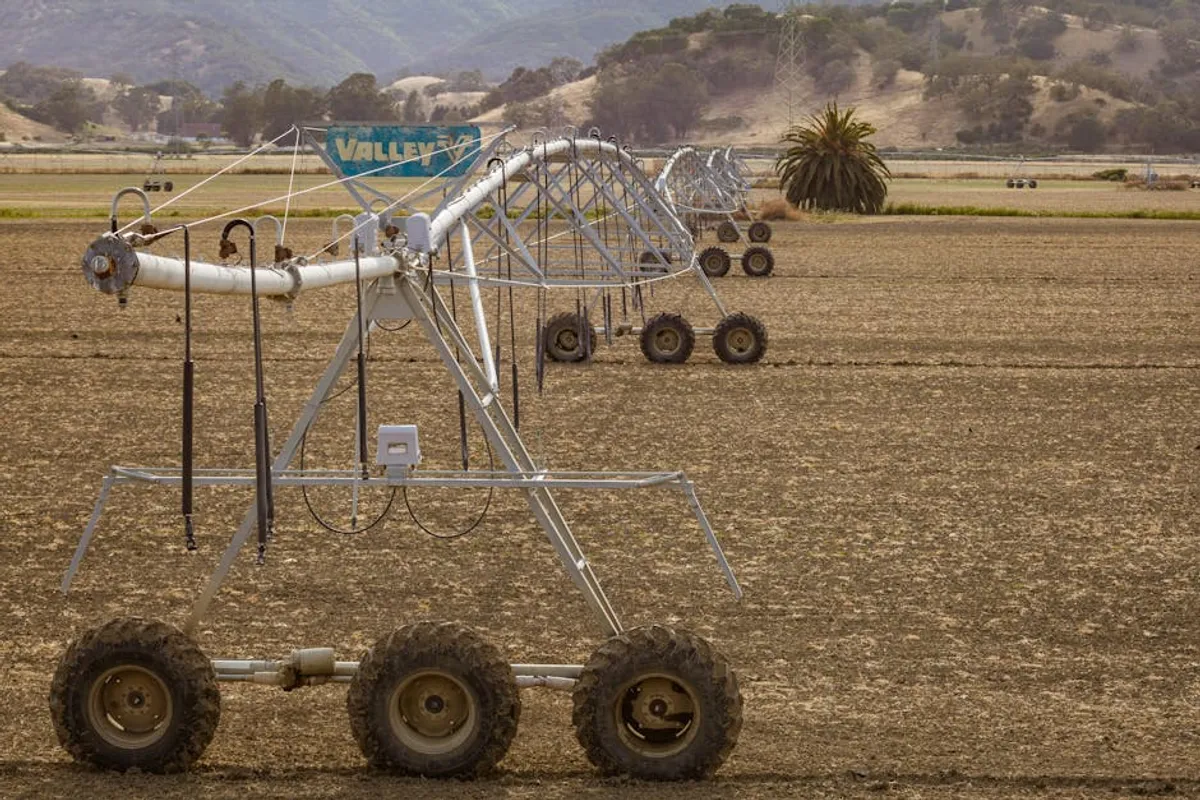
For property owners, landscape managers, and anyone responsible for maintaining outdoor spaces, efficient water management is a persistent challenge. Traditional irrigation systems operate on fixed schedules, often leading to overwatering during rainy periods or underwatering during dry spells, wasting resources and potentially harming plant health. Smart irrigation systems offer a precise, data-driven alternative, adapting watering schedules based on real-time environmental conditions. This guide explains the core principles and components of these systems, helping beginners understand their operational advantages and practical applications for optimizing landscape care and conserving water.
Understanding Smart Irrigation System Fundamentals
A smart irrigation system moves beyond simple timers by integrating data from various sources to deliver water only when and where it's needed. This intelligent approach minimizes water waste, supports healthier plant growth, and reduces manual oversight. The system's intelligence derives from its ability to monitor environmental factors and plant needs, then adjust its output accordingly.
Core Components of a Smart System
Effective smart irrigation relies on several interconnected elements that work in concert to gather data, process it, and execute watering commands. These components include:
- Smart Controller: This is the central processing unit, often Wi-Fi enabled, that replaces a standard irrigation timer. It receives data from sensors and weather feeds, processes it, and then sends commands to the irrigation valves. Many controllers offer remote access via smartphone apps or web interfaces, allowing users to monitor and adjust settings from anywhere.
- Sensors: Various types of sensors provide critical real-time data:
- Soil Moisture Sensors: Placed in the ground, these measure the volumetric water content in the soil and communicate that data to the controller. The system then waters only when soil moisture levels drop below a predefined threshold.
- Rain Sensors: These detect rainfall and temporarily suspend irrigation cycles, preventing unnecessary watering during or immediately after precipitation. Some are simple "shut-off" devices, while more advanced models measure accumulation.
- Flow Sensors: Installed in the main irrigation line, these monitor water flow rates. They can detect leaks, broken pipes, or clogged nozzles by identifying abnormal flow patterns, alerting users to potential issues that waste water and damage property.
- Weather Stations (On-site or Virtual): While some systems integrate with local on-site weather stations, many leverage virtual weather data from internet-connected services. These provide crucial information like temperature, humidity, wind speed, and evapotranspiration (ET) rates.
- Valves and Sprinkler Heads: These are the traditional components that physically deliver water to the landscape. Smart systems interact with existing valves, opening and closing them based on the controller's instructions. The efficiency of these delivery mechanisms remains crucial for optimal water distribution.
How Smart Irrigation Systems Operate
The operational efficiency of smart irrigation stems from its dynamic, responsive nature. Instead of adhering to a rigid schedule, these systems continuously adapt to changing conditions. The process typically follows these steps:
- Data Acquisition: Sensors collect real-time data on soil moisture, rainfall, and water flow. The smart controller simultaneously pulls in local weather data, including current conditions, forecasts, and historical evapotranspiration rates, often specific to the property's microclimate.
- Data Analysis and Calculation: The controller analyzes the collected data alongside pre-programmed landscape parameters (e.g., plant type, soil type, slope, sun exposure for each zone). Using complex algorithms, it calculates the precise amount of water needed for each irrigation zone to maintain optimal plant health without overwatering.
- Schedule Adjustment: Based on these calculations, the controller automatically adjusts the watering schedule. If rain is detected or forecast, it might skip a cycle. If soil is sufficiently moist, it delays watering. If temperatures rise significantly, it might increase watering duration or frequency.
- Execution: When watering is necessary, the controller sends signals to the appropriate valves, opening them for the calculated duration.
- Monitoring and Reporting: Many systems provide detailed reports on water usage, system performance, and detected anomalies (like leaks). This data allows users to track savings, identify potential issues, and further optimize their settings.
Pro Tip: Before investing in a smart irrigation system, conduct a thorough audit of your existing landscape and water sources. Understanding your soil types, plant needs, sun exposure, and current water pressure will inform the best system configuration and ensure maximum efficiency gains.
Key Benefits for Property Owners
Adopting smart irrigation systems delivers tangible advantages that extend beyond simple convenience:
Significant Water Savings: By watering only when necessary and in precise amounts, these systems can reduce outdoor water consumption by 30% to 50% or more, directly translating to lower utility bills. This also helps properties comply with local water restrictions and contributes to environmental conservation efforts.
Improved Plant Health: Consistent, appropriate watering prevents both under- and overwatering, which are common causes of plant stress, disease, and root rot. Plants receive the optimal moisture levels for robust growth, leading to healthier, more vibrant landscapes.
Reduced Maintenance and Labor Costs: Automation minimizes the need for manual adjustments to irrigation schedules, freeing up time for other landscape management tasks. Early detection of leaks or system malfunctions prevents costly water damage and reduces repair expenses.
Enhanced Property Value: A well-maintained, healthy landscape contributes significantly to a property's curb appeal and overall value. The integration of smart technology also positions the property as modern and resource-efficient, appealing to environmentally conscious buyers or tenants.
Remote Management and Control: The ability to monitor and adjust irrigation settings from a smartphone or computer offers unparalleled convenience, especially for properties with multiple zones or for managers overseeing several sites.
Getting Started with Smart Irrigation
For beginners, the transition to smart irrigation involves a few key considerations. Evaluate your current system's compatibility with smart controllers, as many can integrate with existing valves and sprinkler heads. Understand the upfront investment, which varies based on system complexity and the number of sensors. While some systems are designed for DIY installation, professional installation ensures optimal sensor placement, proper zone configuration, and seamless integration, maximizing the system's efficiency and longevity. Research local rebates or incentives for water-saving technologies, as these can significantly offset initial costs.
Frequently Asked Questions
What is the typical return on investment for a smart irrigation system?
The ROI varies based on water rates, landscape size, and existing irrigation efficiency. However, many users report recouping their investment through water bill savings within 1 to 3 years, especially in areas with high water costs or large landscapes.
Are smart irrigation systems difficult to install for a beginner?
Some basic smart controllers are designed for relatively straightforward DIY replacement of existing timers. However, installing soil moisture sensors, flow sensors, or integrating complex zoning often benefits from professional expertise to ensure proper calibration and optimal performance.
Can smart irrigation systems integrate with other smart home technologies?
Many modern smart irrigation controllers offer integration with popular smart home platforms, allowing for centralized control and automation alongside other connected devices like lighting, security, and climate control systems. Many modern smart irrigation controllers offer integration with popular smart home platforms, allowing for centralized control and automation alongside other connected devices like lighting, security, and climate control systems, enhancing your comfort outside.
Do smart irrigation systems work in all climates?
Yes, smart irrigation systems are highly adaptable. Their ability to monitor local weather conditions and soil moisture levels makes them effective in diverse climates, from arid regions requiring precise water delivery to humid areas where preventing overwatering is critical.



