
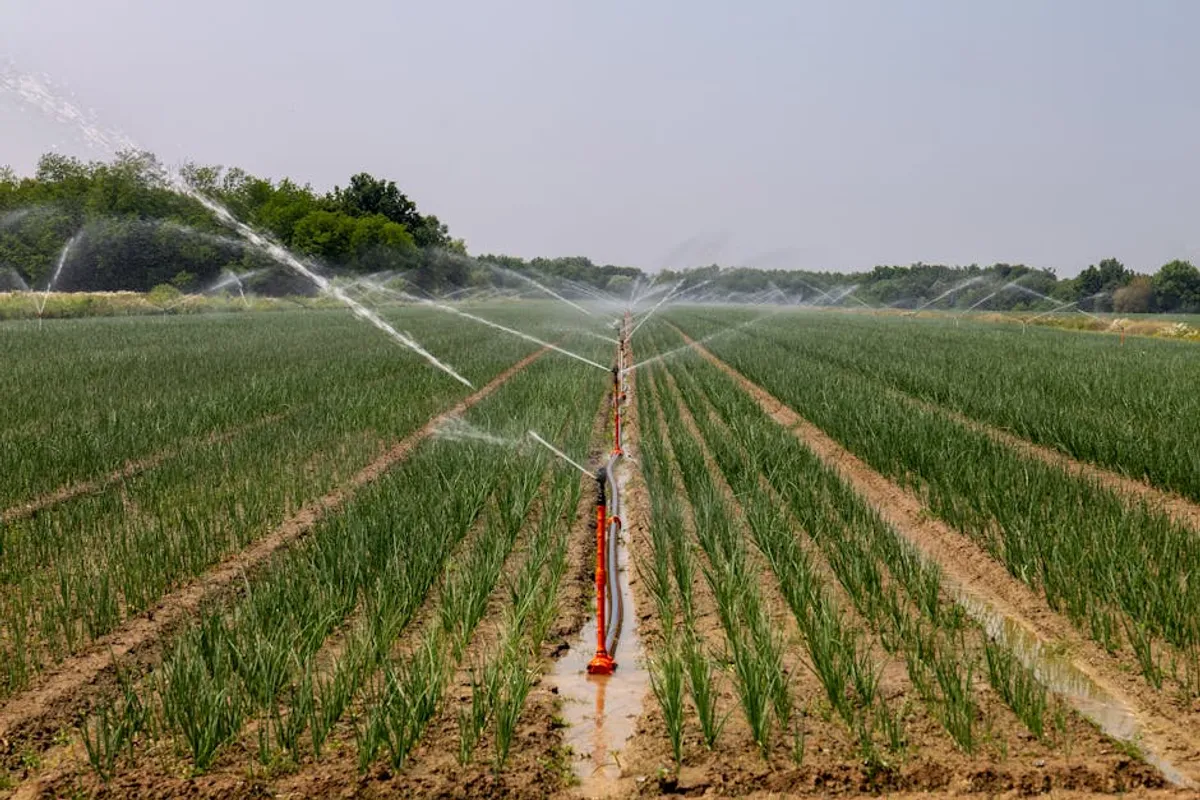
Adopting a smart irrigation system represents a significant shift from traditional watering methods, moving towards efficiency and precision. For property owners and managers, the decision to invest in smart irrigation often stems from a desire to conserve water, reduce utility expenses, and maintain healthier landscapes with less effort. This guide provides a foundational understanding of what smart irrigation entails, how these systems operate, and the practical considerations for implementation, helping you navigate the options available and make an informed choice for your specific needs. This guide aims to cover the basics of smart irrigation systems suitable for modern homes.
Understanding Smart Irrigation Systems
Smart irrigation systems leverage technology to deliver water precisely when and where it is needed, moving beyond fixed schedules. The "smart" aspect derives from their ability to gather and process data, then automatically adjust watering programs in response to environmental conditions and plant requirements. This intelligence minimizes water waste, a common issue with conventional timers that irrigate regardless of recent rainfall or soil moisture levels.
At their core, these systems consist of several integrated components:
- Smart Controllers: These are the central processing units, replacing standard irrigation timers. They connect to various data sources and sensors, then interpret this information to manage watering schedules for different zones.
- Sensors: Environmental sensors provide real-time data. Common types include soil moisture sensors, which measure water content in the soil, and rain sensors, which detect precipitation and temporarily halt irrigation.
- Valves and Sprinkler Heads: These are the delivery mechanisms, largely similar to traditional systems, but controlled by the smart controller.
- Communication Modules: Many smart systems connect via Wi-Fi, cellular networks, or proprietary radio frequencies, allowing for remote monitoring and control via smartphone apps or web interfaces.
Key Technologies Driving Smart Irrigation
The intelligence in smart irrigation largely comes from the data sources and algorithms used to determine watering needs. Two primary technological approaches define most systems:
Weather-Based Controllers
These controllers utilize local weather data to calculate evapotranspiration (ET), which is the amount of water lost from soil and plants through evaporation and transpiration. By knowing the ET rate, the controller can determine how much water needs to be replaced. Data sources for weather-based systems typically include:
- On-site weather stations: These units are installed directly on your property and provide hyper-local data on temperature, humidity, solar radiation, and wind speed.
- Off-site weather data: Controllers can access public or private weather services via Wi-Fi or cellular connections, pulling data from nearby weather stations or forecasting models.
This approach ensures that irrigation schedules adapt to daily changes in weather, preventing overwatering during cool, cloudy periods or underwatering during hot, dry spells.
Sensor-Based Controllers
Sensor-based systems rely on direct measurements from the soil to determine watering needs. Soil moisture sensors, buried at various depths within the root zone, continuously monitor the volumetric water content of the soil. When soil moisture drops below a pre-set threshold, the controller initiates a watering cycle for that specific zone. Once the soil reaches an optimal moisture level, watering ceases. This method ensures that plants receive water only when the soil is dry enough to require it, directly responding to the immediate needs of the landscape.
Benefits Beyond Water Savings
While water conservation is a primary driver, smart irrigation offers several additional advantages:
- Improved Plant Health: Precise watering prevents both overwatering (which can lead to root rot and fungal diseases) and underwatering (causing stress and stunted growth). Plants receive optimal moisture, fostering stronger root systems and overall vitality.
- Reduced Labor and Maintenance: Automation eliminates the need for manual adjustments to irrigation schedules, saving time for homeowners and reducing labor costs for commercial properties. Remote access allows for monitoring and changes from anywhere, streamlining management.
- Lower Utility Bills: By eliminating wasteful watering, smart systems significantly reduce water consumption, translating directly into lower monthly utility expenses. In many regions, this can also lead to eligibility for water utility rebates.
- Environmental Impact: Less water usage conserves a vital natural resource. Reduced runoff also minimizes the transport of fertilizers and pesticides into waterways, protecting local ecosystems.
Pro Tip: When setting up a new smart irrigation system, proper calibration of soil moisture sensors and accurate programming of zone-specific plant types are critical. Incorrect calibration can lead to either persistent dry spots or chronic overwatering, negating the system's efficiency benefits. Always follow manufacturer guidelines for initial setup and consider professional assistance for complex landscapes.
Choosing the Right Smart Irrigation System
Selecting a system involves evaluating several factors to match the technology with your property's specific requirements:
- Property Size and Landscape Complexity: For small residential lawns, a basic weather-based controller might suffice. Larger properties with diverse plant types, varying sun exposure, and multiple zones may benefit from a more advanced sensor-based or hybrid system.
- Existing Infrastructure: Most smart controllers are designed to integrate with existing sprinkler systems, but compatibility with specific valve types or wiring configurations should be verified.
- Budget: System costs vary widely based on features, number of zones supported, and sensor technology. Consider the potential long-term savings on water bills as part of your investment calculation.
- Connectivity and User Interface: Evaluate the reliability of the system's Wi-Fi or cellular connection and the intuitiveness of its mobile app or web portal for programming and monitoring.
- Local Climate and Water Restrictions: In drought-prone areas, systems with robust water-saving features and compliance with local restrictions are paramount.
Installation and Setup Considerations
Installing a smart irrigation system can range from a straightforward DIY controller swap to a complex professional installation involving new sensors and extensive wiring. For basic controller replacements, many homeowners can manage the process by carefully following instructions. However, integrating multiple soil moisture sensors, establishing complex zoning, or troubleshooting existing electrical issues often benefits from professional expertise.
Post-installation, initial setup involves programming watering zones, specifying plant types, soil conditions, and sun exposure for each area. This detailed input allows the controller to optimize watering schedules. Regular calibration of sensors and verification of weather data sources ensure the system operates at peak efficiency.
Implementing Your Smart Irrigation Strategy
Once installed, a smart irrigation system requires minimal ongoing management, but periodic checks ensure sustained performance. Regularly review the system's watering history and performance data, often available through the associated app. Monitor plant health across different zones to identify any areas that might be receiving too much or too little water, indicating a need for programming adjustments or sensor recalibration. Seasonal changes, such as cooler temperatures or increased rainfall, will naturally lead to reduced watering, but ensuring the system accurately reflects these shifts is key to maximizing efficiency year-round.
Frequently Asked Questions
How much water can a smart irrigation system save?
Savings vary significantly based on climate, landscape type, and previous watering habits, but reductions of 30% to 50% are commonly reported due to the elimination of wasteful overwatering.
Is smart irrigation expensive to install?
Initial costs for smart controllers and sensors can be higher than traditional timers. However, the long-term savings on water bills, potential rebates, and reduced landscape maintenance often provide a favorable return on investment.
Can smart irrigation work with my existing sprinkler system?
Most smart controllers are designed to be compatible with standard 24VAC irrigation valves, making them suitable for upgrading existing conventional sprinkler systems without needing to replace all components.
What maintenance does a smart irrigation system require?
Maintenance is generally low. It primarily involves ensuring sensors are clean and free of debris, checking for strong Wi-Fi or cellular connectivity, and periodically reviewing the system's performance data and settings via its app or web interface.