

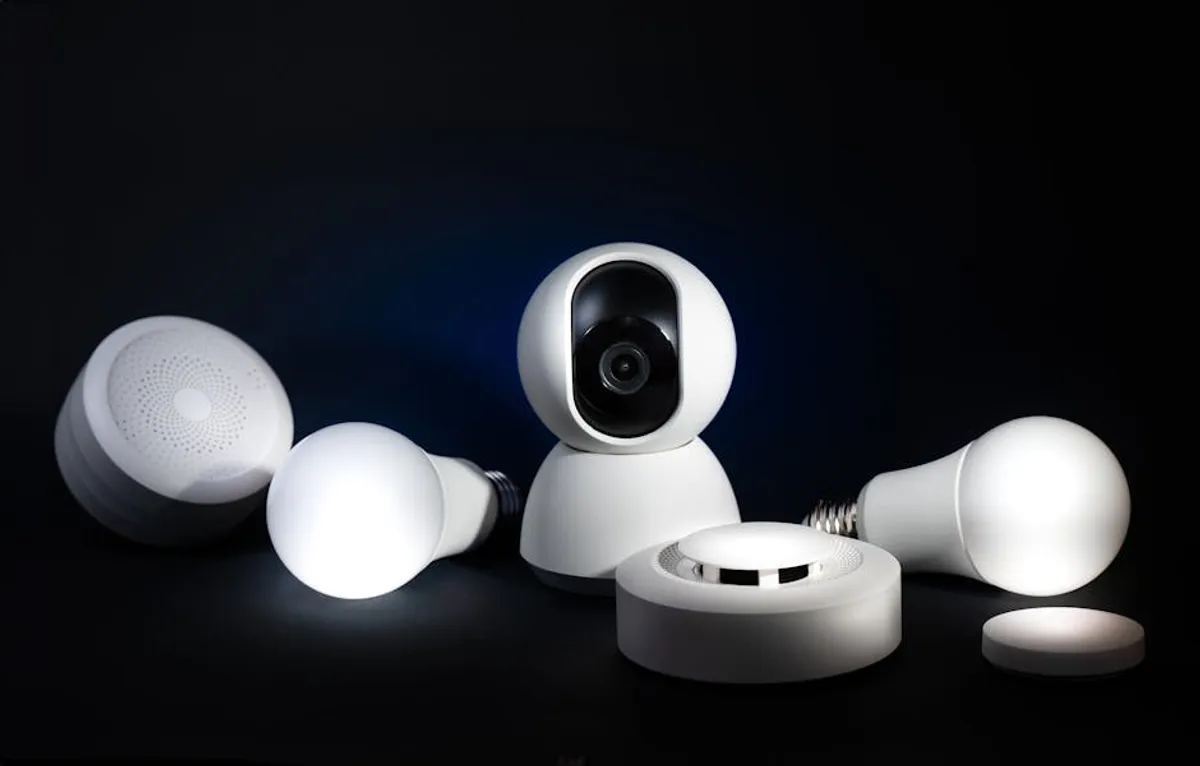
The strategic deployment of smart sensors across home and garden environments represents a significant opportunity for optimizing resource management, enhancing security, and improving operational efficiency. For property managers, real estate developers, landscaping businesses, or individual homeowners focused on intelligent infrastructure, selecting the right sensors moves beyond simple convenience; it becomes a critical investment in data-driven decision-making and long-term asset protection. This article examines a range of leading smart sensor solutions, evaluating their core functionalities, integration capabilities, and commercial viability to help inform targeted deployment strategies.
Key Considerations for Smart Sensor Deployment
Before investing in smart sensors, evaluate several critical factors that impact functionality, integration, and return on investment. Connectivity standards are paramount: Wi-Fi offers broad compatibility but can strain networks with numerous devices; Zigbee and Z-Wave provide mesh networking for extended range and lower power consumption, often requiring a dedicated hub; LoRaWAN is suitable for long-range, low-power applications across larger properties. Power sources dictate maintenance cycles, with battery life, solar charging, and wired options each presenting trade-offs in installation complexity versus ongoing operational effort. Integration capabilities are crucial for a unified smart ecosystem; look for compatibility with major platforms like Apple HomeKit, Google Home, Amazon Alexa, or open APIs that allow custom data aggregation and automation. Environmental durability is non-negotiable for outdoor or high-humidity applications, demanding specific IP ratings for water and dust resistance. Finally, data analytics features, including historical logging, customizable alerts, and predictive insights, transform raw sensor data into actionable intelligence for proactive management and resource optimization.
1. Rachio
Rachio specializes in smart irrigation controllers, offering advanced water management for lawns and gardens. Their systems connect to local weather data, automatically adjusting watering schedules based on forecasts, soil moisture, and plant type. This predictive approach minimizes water waste, ensuring optimal hydration without over-saturation. Rachio integrates with major smart home platforms, providing remote control and detailed usage reports, making it a strong choice for properties requiring precise and efficient landscape irrigation.
Best for: Residential and commercial properties focused on highly efficient, data-driven landscape irrigation and water conservation.
Pros: Hyperlocal weather integration for predictive watering; zone-specific control and customization; detailed water usage reports; EPA WaterSense certification for rebates; robust third-party smart home integration.
Cons: Primarily focused on irrigation, limiting broader smart garden sensor applications; higher initial cost compared to basic controllers; requires consistent Wi-Fi connectivity for optimal performance.
Verdict: Rachio delivers unparalleled precision in irrigation management, making it an essential tool for reducing water consumption and maintaining healthy landscapes. Its data-centric approach provides clear ROI through reduced utility costs and improved plant health.
2. Netatmo
Netatmo offers a range of environmental sensors, most notably its Smart Home Weather Station and Smart Anemometer. These devices provide detailed real-time data on indoor and outdoor temperature, humidity, air quality, barometric pressure, and wind speed/direction. For garden applications, the weather station data is invaluable for planning planting, watering, and pest control, while indoor modules monitor climate conditions essential for preserving property interiors or specialized indoor gardens. Their modular system allows users to expand monitoring capabilities as needed.
Best for: Properties requiring comprehensive environmental monitoring, from climate control and air quality management to detailed outdoor weather data for landscaping and agricultural planning.
Pros: Accurate, real-time hyperlocal weather data; modular system allows for expansion; historical data logging and trend analysis; integrates with Apple HomeKit, Google Home, and Amazon Alexa; robust build quality for outdoor use.
Cons: Initial setup can be complex for multi-module systems; some advanced features require additional modules; primarily focused on environmental data, less on active control of garden systems.
Verdict: Netatmo provides granular environmental insights crucial for proactive property management and optimized garden care. Its data collection capabilities support informed decisions for energy efficiency and climate-sensitive operations.
3. Arlo
Arlo specializes in wireless security cameras and integrated smart home security systems, offering robust outdoor monitoring capabilities. Their cameras feature high-definition video, motion detection, night vision, and two-way audio, making them ideal for securing perimeters, driveways, and garden areas. Many Arlo cameras include integrated spotlights and sirens, acting as proactive deterrents. The system offers cloud storage for video recordings and smart alerts, ensuring property managers or homeowners are immediately aware of any activity.
Best for: Comprehensive outdoor security and motion detection for homes, gardens, and detached structures, requiring reliable, high-definition video surveillance.
Pros: True wire-free installation for flexible placement; excellent video quality with HDR and color night vision; robust weather resistance; advanced motion detection with object recognition; integrates with major smart home platforms.
Cons: Subscription required for full cloud storage and advanced features; battery life varies significantly with activity; higher initial investment compared to some wired alternatives.
Verdict: Arlo delivers premium outdoor security with flexible deployment and advanced features. Its reliable motion detection and high-quality video provide critical surveillance for property protection and incident verification.
4. Eve Systems
Eve Systems offers a range of smart sensors built exclusively for the Apple HomeKit ecosystem, leveraging Bluetooth and Thread for reliable, local communication. Their product line includes sensors for temperature, humidity, water leak detection, motion, and door/window contact. For garden applications, Eve Weather provides outdoor climate data, and Eve Aqua turns any outdoor faucet into a smart watering system. Their focus on privacy and local processing appeals to users prioritizing data security and direct control without cloud dependency.
Best for: Apple HomeKit users seeking privacy-focused, reliable environmental and security sensors for both indoor and outdoor home and garden applications.
Pros: Seamless integration with Apple HomeKit; strong emphasis on user privacy with local data processing; Thread support for improved range and reliability; elegant design and robust build quality; wide range of sensor types.
Cons: Exclusively tied to the Apple HomeKit ecosystem, limiting compatibility for non-Apple users; typically higher price point than competing sensors; some sensors require a HomePod Mini or Apple TV for remote access.
Verdict: Eve Systems provides a secure and highly integrated sensing solution for Apple users, offering precise environmental monitoring and automation capabilities directly within the HomeKit framework.
5. Wyze
Wyze offers an extensive collection of highly affordable smart sensors and cameras, making smart home and garden monitoring accessible. Their product line includes contact sensors for doors/windows/gates, motion sensors for perimeter alerts, and leak sensors for basements or utility areas. While individually inexpensive, these sensors integrate into the Wyze ecosystem, providing notifications and automation rules. The low cost allows for widespread deployment across larger properties or for monitoring less critical areas without significant capital outlay.
Best for: Budget-conscious property owners or managers seeking widespread, basic smart monitoring for security, environmental conditions, and access control across multiple points in home and garden.
Pros: Extremely affordable entry point; wide range of sensor types within a single ecosystem; easy setup and integration with Wyze cameras; compact and discreet designs; no required subscription for basic functionality.
Cons: Reliant on Wyze Hub for sensor connectivity; occasional connectivity issues reported; limited advanced features compared to premium brands; primarily a consumer-grade solution, though scalable for basic commercial needs.
Verdict: Wyze sensors offer an economical way to deploy numerous monitoring points, providing essential alerts and basic automation. They are particularly effective for extending smart coverage without incurring high costs.
6. Govee
Govee provides a diverse array of smart environmental sensors, with a particular strength in temperature and humidity monitoring, as well as water leak detection. Their sensors often utilize Bluetooth for local data and Wi-Fi for remote access, offering flexibility in deployment. Govee's multi-sensor packs are cost-effective for covering multiple areas like greenhouses, basements, or outdoor storage sheds. Many models feature integrated displays for on-site readings and offer detailed historical data through their app, aiding in climate control and preventative maintenance.
Best for: Monitoring environmental conditions in specific zones (e.g., greenhouses, wine cellars, basements) and detecting water leaks in vulnerable areas, particularly where visual displays are beneficial.
Pros: Wide selection of accurate temperature, humidity, and leak sensors; competitive pricing for multi-packs; integrated LCD displays on many models; robust app with historical data and customizable alerts; easy setup.
Cons: Primarily Bluetooth-based for direct sensor communication, requiring a Wi-Fi gateway for remote access; limited integration with broader smart home ecosystems compared to Zigbee/Z-Wave devices; battery life can vary.
Verdict: Govee sensors excel at providing localized environmental data and early leak detection, offering a practical and cost-effective solution for targeted monitoring needs within a property.
7. Ecobee
While primarily known for smart thermostats, Ecobee's ecosystem includes remote room sensors that detect occupancy and temperature. These sensors extend the reach of the thermostat, ensuring consistent climate control across larger homes or multi-zone properties. For the "home" aspect, this means optimizing energy usage by heating/cooling only occupied areas and maintaining uniform comfort. While not garden-specific, the energy efficiency gains from smart climate management are significant for property operating costs, and outdoor temperature data from the thermostat can inform broader property decisions.
Best for: Optimizing indoor climate control and energy efficiency across multiple rooms or zones within a residential or commercial property, leveraging occupancy and temperature data.
Pros: Advanced energy management features with detailed reporting; remote room sensors improve comfort and efficiency; integrates with major smart home platforms; intuitive user interface; potential for significant HVAC cost savings.
Cons: Sensors are indoor-only; primary focus is climate control, not broader home/garden security or environmental monitoring; full benefits require integration with Ecobee's smart thermostat.
Verdict: Ecobee's system provides sophisticated climate control and energy optimization, offering a clear path to reduced utility expenses and enhanced indoor comfort, particularly beneficial for managed properties.
8. Ring
Ring offers a comprehensive suite of smart security devices, including outdoor cameras, video doorbells, motion sensors, and a full alarm system. These sensors extend security coverage to the garden, driveway, and perimeter of a property. Ring's ecosystem is designed for easy integration, providing real-time alerts, live video feeds, and recorded events. The system is particularly effective for deterring intruders and monitoring activity around the entire property, with professional monitoring options available for enhanced security.
Best for: Comprehensive property security, including outdoor surveillance, motion detection, and perimeter protection for both home and garden areas, with optional professional monitoring.
Pros: Extensive product line for layered security; easy DIY installation; integrates seamlessly within the Ring ecosystem; wide range of outdoor-rated devices; optional professional monitoring services.
Cons: Subscription required for video recording and advanced features; reliance on Wi-Fi can lead to connectivity issues in larger areas; some privacy concerns have been raised historically.
Verdict: Ring provides a scalable and user-friendly security solution that effectively covers both indoor and outdoor spaces, offering robust surveillance and immediate alerts for property protection.
9. Aqara
Aqara offers a broad portfolio of Zigbee-based smart sensors, known for their compact size, long battery life, and affordability. Their range includes motion, contact, water leak, temperature, humidity, and vibration sensors. These can be deployed discreetly across a property, from monitoring garden shed doors and gates to detecting subtle changes in environmental conditions or potential intrusions. Aqara's sensors integrate with Apple HomeKit, Google Home, and Amazon Alexa (via their hub), providing versatile automation and monitoring capabilities.
Best for: Users seeking a wide array of affordable, discreet, and highly responsive sensors for granular monitoring and automation across a smart home and garden, especially those leveraging Zigbee or HomeKit.
Pros: Extremely compact and discreet sensor designs; long battery life for low maintenance; wide variety of sensor types for diverse applications; strong integration with Apple HomeKit and other major platforms (with hub); cost-effective for widespread deployment.
Cons: Requires an Aqara hub for full functionality and smart home integration; Zigbee protocol requires a stable mesh network; some sensors are plastic and may not be as robust as premium outdoor-rated devices.
Verdict: Aqara sensors provide an excellent balance of cost, performance, and versatility, enabling detailed environmental and security monitoring with extensive automation possibilities for a smart property.
10. Flume
Flume offers a smart water monitoring system that attaches to a property's existing water meter, providing real-time data on water usage and leak detection. This sensor is invaluable for both home and garden, as it can identify excessive irrigation, running toilets, or burst pipes, preventing costly damage and promoting water conservation. The system sends alerts directly to a smartphone, giving property owners immediate insight into their water consumption patterns and potential issues, even when away from the property.
Best for: Proactive water leak detection and comprehensive water usage monitoring for entire properties, crucial for conservation efforts and preventing water damage in both home and garden.
Pros: Non-invasive installation on existing water meters; real-time water usage data and historical trends; immediate alerts for potential leaks or unusual consumption; promotes significant water conservation and cost savings; robust app interface.
Cons: Requires Wi-Fi connectivity for the bridge; primarily focused on water monitoring, no other sensor types; outdoor installation of the sensor requires a good signal and protection from extreme weather.
Verdict: Flume is a critical investment for any property owner looking to gain control over water consumption and mitigate the risk of costly water damage, offering clear ROI through prevention and efficiency.
11. Orbit B-hyve
Orbit B-hyve offers smart irrigation controllers and smart hose faucet timers, providing flexible and affordable solutions for garden watering. Similar to Rachio, their controllers use local weather data to optimize watering schedules, preventing overwatering and conserving water. The smart hose faucet timers are particularly useful for smaller gardens, raised beds, or temporary irrigation setups, allowing automation without a full in-ground system. B-hyve products integrate with voice assistants and offer remote control via their app.
Best for: Cost-effective, smart irrigation solutions for both in-ground systems and smaller, flexible garden watering needs, emphasizing water conservation and ease of use.
Pros: More budget-friendly than some premium irrigation controllers; smart hose faucet timers offer flexible automation for smaller areas; weather-based watering adjustments; integrates with Amazon Alexa and Google Assistant; relatively easy DIY installation.
Cons: App interface can be less polished than competitors; some users report occasional connectivity issues; full features often require a Wi-Fi hub for remote access; primarily focused on irrigation.
Verdict: Orbit B-hyve provides accessible and effective smart watering, making efficient garden irrigation attainable for a wider range of properties and budgets, with a focus on practical water savings.
12. Temp Stick (by Ideal Sciences)
Temp Stick offers remote temperature and humidity monitoring, designed for critical environments where consistent conditions are essential. This battery-powered sensor connects directly to Wi-Fi, sending real-time alerts via email or text if temperatures or humidity levels exceed predefined thresholds. For home applications, this is invaluable for monitoring unoccupied properties, basements, attics, or HVAC closets to prevent freezing pipes or mold growth. In garden contexts, it's crucial for greenhouses, cold frames, or storage areas for sensitive plants or equipment.
Best for: Remote, continuous monitoring of temperature and humidity in critical indoor or sheltered outdoor environments, preventing damage from extreme conditions or equipment failure.
Pros: Direct Wi-Fi connectivity, no hub required; long battery life (up to 1 year); robust web and mobile app for data visualization and alerts; simple setup and calibration; suitable for a wide range of temperature extremes.
Cons: Single-purpose sensor (temperature and humidity only); higher cost per unit compared to multi-purpose sensors; no integration with broader smart home ecosystems for automation beyond alerts.
Verdict: Temp Stick provides a highly reliable, focused solution for critical environmental monitoring, offering peace of mind and proactive protection against climate-related property damage or spoilage.
Optimizing Smart Sensor Investment: Beyond the Purchase
Implementing smart sensors is only the first step; maximizing their value requires a strategic approach to data utilization and system integration. Establish clear objectives for each sensor deployment—whether it’s reducing water consumption, enhancing security, or maintaining optimal climate conditions. Integrate sensor data into a centralized dashboard or property management system where possible, allowing for a holistic view of operations. Leverage the collected data to identify trends, predict potential issues (e.g., impending equipment failure



