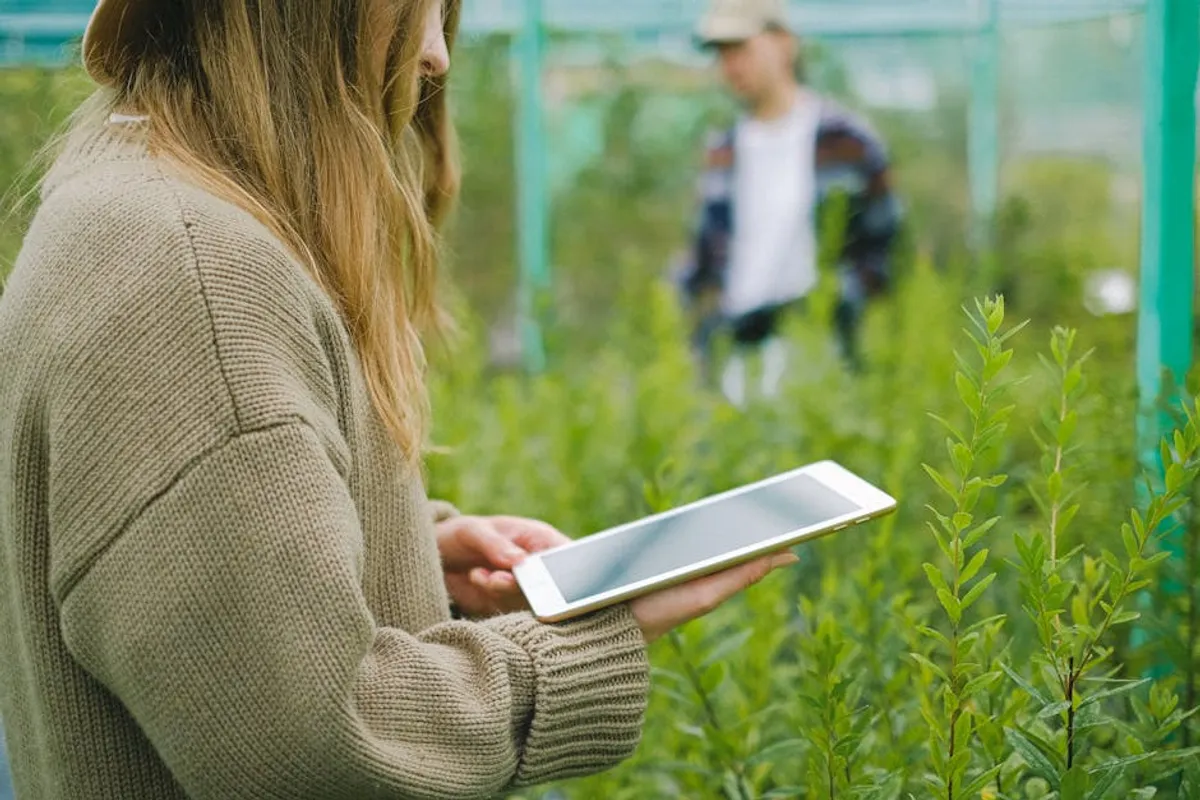
Modern homes increasingly integrate technology to streamline daily tasks, and garden care is no exception. Smart garden devices offer a range of solutions, from automated irrigation to precise environmental monitoring, transforming traditional gardening into an efficient, data-driven process. These tools cater to various needs, whether you're a busy urban dweller with a small indoor herb garden or a homeowner managing an extensive outdoor landscape. The primary goal is to optimize plant health, conserve resources like water, and reduce manual effort, allowing you to enjoy your green spaces without constant oversight. Selecting the right devices requires an understanding of your garden's specific demands, your technical comfort level, and the integration capabilities with existing smart home ecosystems. These tools cater to various needs, whether you're a busy urban dweller with a small indoor herb garden or a homeowner managing an extensive outdoor landscape, focusing on optimizing plant health and water conservation.
What to Look For in Smart Garden Devices
When evaluating smart garden devices, several key factors dictate their utility and long-term value. Prioritizing these elements ensures you invest in technology that genuinely enhances your gardening experience rather than complicating it.
- Connectivity and Compatibility: Most smart garden devices rely on Wi-Fi, Bluetooth, or proprietary hubs. Ensure the device integrates seamlessly with your home network and, ideally, with other smart home platforms like Apple HomeKit, Google Home, or Amazon Alexa for centralized control. Check for app availability on your preferred mobile operating system.
- Automation Capabilities: The core benefit of smart devices is automation. Look for features such as weather-based scheduling for irrigation, automatic light adjustments, or nutrient dosing. The more intelligent the automation, the less manual intervention required, leading to consistent plant care.
- Sensor Accuracy and Range: For monitoring devices, sensor quality is paramount. Soil moisture, temperature, humidity, pH, and light intensity sensors should provide accurate, real-time data. Understand the effective range of these sensors, especially for larger gardens, to ensure adequate coverage.
- Ease of Installation and Use: A device's smart features are only beneficial if they are accessible. Prioritize devices with clear installation instructions, intuitive mobile apps, and straightforward programming. Complex setups can deter consistent use.
- Scalability and Modularity: Consider your future gardening plans. If you anticipate expanding your garden, choose systems that allow for additional sensors, zones, or units to be added without requiring a complete overhaul. Modular systems offer greater flexibility.
- Power Source and Reliability: Devices may be battery-powered, solar-powered, or require a direct power connection. Evaluate battery life and replacement costs, or the practicality of running power to outdoor locations. Reliability of connection and hardware durability, particularly for outdoor use, are also critical.
- Data Insights and Reporting: Effective smart garden devices don't just collect data; they present it in an understandable way. Look for apps that offer historical data, trend analysis, and actionable recommendations based on sensor readings, helping you make informed decisions about plant care.
1. Rachio 3 Smart Sprinkler Controller
The Rachio 3 represents a significant upgrade for existing in-ground sprinkler systems, transforming conventional irrigation into a highly intelligent, water-efficient operation. It connects to your home Wi-Fi and uses local weather intelligence – including forecasts, historical data, and seasonal shifts – to automatically adjust watering schedules. This predictive capability ensures plants receive optimal hydration while minimizing water waste due to rain, wind, or freezing temperatures. Its integration with major smart home platforms allows for voice control and unified management.
Best for: Homeowners with existing in-ground sprinkler systems seeking significant water savings and automated, precise irrigation control.
Pros:
- Weather Intelligence Plus: Automatically skips watering based on hyper-local weather.
- Seasonal Shift: Adjusts schedules as seasons change, optimizing water use year-round.
- Flow Sensor Compatibility: Detects leaks and monitors water usage with optional sensors.
- Intuitive App: User-friendly interface for setup, scheduling, and manual control.
Cons:
- Requires existing sprinkler infrastructure; not a standalone solution.
- Advanced features like flow sensing require additional purchases.
Verdict: The Rachio 3 is a robust, data-driven irrigation controller that pays for itself through water conservation and eliminates the guesswork from lawn and garden watering. It's a top-tier choice for those committed to efficient outdoor plant care.
2. Orbit B-hyve Smart Hose Faucet Timer
For smaller gardens, raised beds, or container plants that don't warrant a full in-ground sprinkler system, the Orbit B-hyve Smart Hose Faucet Timer offers a flexible and affordable smart watering solution. It attaches directly to any standard outdoor spigot and connects via Wi-Fi (with an included hub) or Bluetooth. This device allows for app-based scheduling, manual watering, and utilizes local weather data to prevent overwatering, similar to more complex systems. Its portability makes it ideal for renters or those with evolving garden layouts.
Best for: Small gardens, patio plants, raised beds, or temporary watering needs where a full irrigation system is impractical.
Pros:
- Easy Installation: Screws directly onto a standard hose faucet.
- Weather-Aware Watering: Uses local weather data to adjust schedules.
- Flexible Control: Manual override at the faucet or full app control.
- Affordable: Cost-effective entry into smart irrigation.
Cons:
- Requires a Wi-Fi hub for remote control, which needs to be within range of the faucet timer.
- Battery-powered, requiring periodic replacement.
Verdict: The B-hyve faucet timer provides an accessible entry point to smart irrigation, offering significant convenience and water savings for smaller-scale gardening without the commitment or cost of a full system.
3. Click & Grow Smart Garden 9
The Click & Grow Smart Garden 9 is an indoor hydroponic system designed for effortless herb, fruit, and vegetable cultivation. It uses pre-seeded plant pods containing all necessary nutrients, eliminating the need for soil. The system features an integrated LED grow light that operates on an automatic timer, and a self-watering reservoir that holds enough water for weeks. This hands-off approach makes it suitable for urban dwellers or anyone looking to grow fresh produce year-round with minimal effort.
Best for: Indoor growers, urban residents, and those seeking a low-maintenance way to cultivate herbs, small vegetables, and flowers.
Pros:
- Extremely Easy to Use: "Set it and forget it" operation with pre-seeded pods.
- Integrated Lighting: Automatic LED grow lights ensure optimal plant growth.
- Self-Watering: Large water reservoir reduces frequency of refills.
- Clean Growing: No soil, no mess, ideal for kitchen counters.
Cons:
- Proprietary Plant Pods: Requires purchasing specific Click & Grow pods.
- Limited Plant Variety: Best suited for smaller plants; larger vegetables are not ideal.
Verdict: For consistent, hassle-free indoor gardening, the Click & Grow Smart Garden 9 delivers fresh produce with minimal effort, making it an excellent choice for beginners and busy individuals.
4. AeroGarden Bounty Elite
Similar to Click & Grow, the AeroGarden Bounty Elite is a high-capacity indoor hydroponic system that allows users to grow up to nine plants simultaneously. It stands out with its powerful 50-watt LED grow light, which is height-adjustable to accommodate plants as they grow. The digital display provides intuitive controls for setting light cycles and monitoring water and nutrient levels, while Wi-Fi connectivity enables remote control and reminders via a smartphone app. This system supports a wider variety of plants, including taller herbs and small fruiting vegetables.
Best for: Enthusiastic indoor gardeners who want to grow a larger quantity or wider variety of herbs and vegetables with advanced control features.
Pros:
- High Capacity: Grows up to 9 plants at once.
- Powerful, Adjustable LED Light: Supports faster growth and larger plants.
- Digital Display & App Control: Provides precise control and monitoring.
- Versatile: Can grow a broader range of plants than smaller systems.
Cons:
- Larger Footprint: Requires more counter space.
- Proprietary Seed Pod Kits: Limits seed choice unless using DIY sponges.
Verdict: The AeroGarden Bounty Elite offers a robust, high-performance indoor gardening experience with advanced features for those looking to maximize their indoor harvest and control.
5. PlantLink Wireless Plant Sensor
The PlantLink Wireless Plant Sensor is designed to provide critical data about your plants' health, specifically focusing on soil moisture levels. This sensor is inserted directly into the soil of potted plants or garden beds and transmits data wirelessly to a base station, which then sends information to a smartphone app. The app translates raw data into actionable alerts, notifying you when specific plants need watering based on their species-specific requirements. It helps prevent both underwatering and overwatering, common causes of plant failure.
Best for: Gardeners who want precise, real-time soil moisture monitoring for individual plants or specific garden zones, particularly those with sensitive or high-value plants.
Pros:
- Accurate Soil Moisture Readings: Provides data specific to each plant's needs.
- Customizable Alerts: Notifies users when watering is required.
- Extensive Plant Database: Matches watering needs to specific plant types.
- Wireless and Scalable: Easily add multiple sensors to cover more plants.
Cons:
- Requires a base station for connectivity, adding to the initial cost.
- Primarily focuses on soil moisture; does not monitor light or nutrients.
Verdict: For targeted soil moisture management, the PlantLink sensor offers precise insights that can significantly improve plant health and reduce water waste, especially for gardeners with diverse plant collections.
6. Edyn Garden Sensor
The Edyn Garden Sensor takes a more holistic approach to outdoor plant monitoring by measuring not only soil moisture but also light intensity, humidity, and nutrient levels (NPK, indirectly). It's a rugged, solar-powered device that you stake into the garden bed. The sensor connects to a Wi-Fi gateway and feeds data to an app that provides detailed insights and recommendations tailored to the specific plants you're growing. It can also integrate with an Edyn Water Valve for automated, data-driven irrigation.
Best for: Outdoor gardeners seeking comprehensive environmental monitoring and actionable insights for optimizing plant growth in garden beds or larger planters.
Pros:
- Comprehensive Monitoring: Tracks moisture, light, humidity, and nutrient levels.
- Solar-Powered: Self-sufficient power source, no battery changes.
- Actionable Recommendations: App provides specific advice based on data and plant type.
- Durable Design: Built for outdoor conditions.
Cons:
- Requires a Wi-Fi gateway for connectivity.
- Nutrient sensing is indirect and may not be as precise as lab tests.
Verdict: The Edyn Garden Sensor offers a powerful combination of environmental data and intelligent recommendations, making it a valuable tool for serious outdoor gardeners looking to fine-tune their growing conditions.
7. Gardena Smart Water Control & Sensor Set
The Gardena Smart System provides a modular approach to smart garden management, with the Smart Water Control and Sensor Set forming a core component. The Water Control attaches to a hose faucet, while the Sensor is placed in the soil to measure moisture, temperature, and light. Both communicate wirelessly with a central gateway that connects to your home Wi-Fi. This integrated system allows for automated watering based on real-time soil conditions, preventing unnecessary irrigation and conserving water. The modular nature means you can expand with other Gardena smart devices like robotic lawnmowers or power outlets.
Best for: Gardeners seeking an expandable, integrated smart system for watering and monitoring, particularly those with Gardena's existing ecosystem.
Pros:
- Integrated System: Water control and sensor work together for intelligent watering.
- Modular: Expandable with other Gardena smart products.
- Real-time Data: Sensor provides moisture, temperature, and light readings.
- App Control: Manage watering schedules and view data remotely.
Cons:
- Requires a Gardena Smart Gateway for full functionality.
- Initial investment can be higher for the full system.
Verdict: Gardena's integrated approach offers a cohesive solution for automated watering and monitoring, especially beneficial for those who appreciate system expandability and a unified brand experience.
8. VIVOSUN Smart Grow Tent Kit
For dedicated indoor cultivators, the VIVOSUN Smart Grow Tent Kit provides a comprehensive, controlled environment for plant growth. This kit typically includes a high-quality grow tent, powerful LED grow lights, an inline fan with carbon filter for ventilation and odor control, and smart controllers for automating light cycles, fan speeds, and temperature/humidity. The smart components allow for remote monitoring and adjustment via a smartphone app, ensuring optimal conditions for sensitive or high-value plants throughout their growth cycle.
Best for: Serious indoor growers and cultivators who require precise environmental control for specialized plants, year-round growing, or plant propagation.
Pros:
- Complete Controlled Environment: Manages light, temperature, humidity, and airflow.
- Remote Monitoring & Control: Adjust settings and receive alerts via app.
- Optimized for Growth: Powerful LED lights and ventilation promote vigorous plant development.
- Odor Control: Carbon filter minimizes unwanted smells.
Cons:
- Significant Space Requirement: Grow tents are large and require dedicated indoor space.
- Higher Energy Consumption: Due to powerful lights and fans.
Verdict: The VIVOSUN Smart Grow Tent Kit is an investment for advanced indoor growers, offering unparalleled control and automation to achieve consistent, high-quality yields in a contained environment.
9. Hydrawise by Hunter Industries
Hydrawise is a professional-grade smart irrigation platform by Hunter Industries, offering robust control for residential and commercial landscapes. It combines Hunter's durable irrigation controllers with cloud-based software that uses hyper-local weather data, including predictive analytics, to adjust watering schedules. Users can manage multiple zones, monitor flow rates, and receive alerts for potential issues like leaks, all from a user-friendly app or web interface. While often installed by professionals, it's available for DIY enthusiasts seeking high-end performance.
Best for: Homeowners with extensive landscapes, complex irrigation needs, or those seeking a highly reliable, professional-grade smart irrigation system.
Pros:
- Professional-Grade Reliability: Built by a leading irrigation manufacturer.
- Advanced Weather Intelligence: Utilizes highly accurate local weather data.
- Flow Meter Integration: Detects leaks and provides precise water usage reports.
- Multi-Zone Management: Handles complex landscapes with ease.
Cons:
- Higher Cost: Generally more expensive than consumer-grade controllers.
- Setup can be more complex, potentially requiring professional assistance.
Verdict: Hydrawise offers commercial-level precision and reliability for residential irrigation, making it an excellent choice for those with significant landscaping investments who prioritize maximum efficiency and control.
10. Netro Sprite Smart Sprinkler Controller
The Netro Sprite is another strong contender in the smart sprinkler controller market, designed to optimize outdoor watering with an emphasis on plant health and water conservation. It connects to your Wi-Fi and utilizes real-time weather data, soil type, and plant type information to create dynamic watering schedules. The Sprite is praised for its intuitive setup process and an app that provides clear insights into water usage and scheduling adjustments. It supports up to 6 zones, making it suitable for most residential gardens.
Best for: Homeowners looking for an intelligent, user-friendly smart sprinkler controller that prioritizes water conservation and plant-specific watering needs.
Pros:
- Easy Setup: Designed for quick and straightforward installation.
- Plant-Centric Scheduling: Optimizes watering based on plant and soil types.
- Water Conservation Focused: Smart schedules reduce waste.
- Clean Interface: App is intuitive for monitoring and control.
Cons:
- Fewer advanced integration options compared to some competitors.
- Limited to 6 zones, which might not be enough for very large properties.
Verdict: The Netro Sprite offers an excellent balance of smart features, ease of use, and water-saving capabilities, making it a solid choice for homeowners seeking efficient and intelligent irrigation.
11. Kasa Smart Outdoor Plug (KP400)
While not a dedicated garden device, the Kasa Smart Outdoor Plug (KP400) brings smart home convenience to your garden's electrical needs. This weather-resistant plug features two independently controllable outlets and connects directly to your home Wi-Fi, requiring no hub. It allows you to schedule power for outdoor lights, fountains, pumps, or even holiday decorations, and control them remotely via the Kasa app or voice commands through smart assistants. It's a versatile tool for integrating non-smart garden equipment into your smart home ecosystem.
Best for: Extending smart home control to existing outdoor electrical devices, such as garden lighting, pond pumps, or temporary electrical tools.
Pros:
- Weather-Resistant: Built for outdoor use.
- Two Independent Outlets: Control two devices separately.
- No Hub Required: Connects directly to Wi-Fi.
- Voice Control & Scheduling: Integrates with smart assistants and offers app-based scheduling.
Cons:
- Does not provide smart garden-specific functions like watering or monitoring.
- Requires a strong Wi-Fi signal outdoors.
Verdict: The Kasa Smart Outdoor Plug is an invaluable accessory for automating and controlling a wide range of existing outdoor electrical devices, enhancing convenience and energy management in the garden.
12. Atmo Smart Weather Station
The Atmo Smart Weather Station provides hyper-local environmental data directly from your garden. Unlike general weather forecasts, Atmo measures actual conditions at your specific location, including temperature, humidity, rainfall, wind speed, and UV index. This real-time data is accessible via a smartphone app and can be invaluable for making precise decisions about watering, pest management, or protecting sensitive plants from extreme conditions. Some smart weather stations can also integrate with smart irrigation controllers to further refine watering schedules based on immediate environmental factors.
Best for: Gardeners who require highly accurate, localized weather data to inform their gardening practices, especially for delicate plants or those in microclimates.
Pros:
- Hyper-Local Data: Provides precise readings for your specific garden.
- Comprehensive Metrics: Measures temperature, humidity, rain, wind, UV.
- Actionable Insights: Helps inform decisions on watering, pest control, and plant protection.
- Durable & Weatherproof: Designed for continuous outdoor exposure.
Cons:
- Can be a significant investment for a single-purpose device.
- Requires careful placement for accurate readings.
Verdict: For the data-driven gardener, the Atmo Smart Weather Station offers an unparalleled level of localized environmental intelligence, enabling more informed and proactive plant care decisions.
Choosing the Right Smart Garden Device
Selecting the optimal smart garden device hinges on aligning your specific gardening needs with the device's capabilities. Begin by assessing your garden's size and type: indoor herb garden, container plants, a small lawn, or an extensive landscape. For indoor growing, integrated hydroponic systems or smart grow tent kits offer complete solutions. For outdoor areas, consider whether you need to automate an existing sprinkler system (Rachio, Hydrawise, Netro) or a simple hose faucet (Orbit B-hyve). Monitoring devices like PlantLink or Edyn sensors are crucial if you struggle with understanding soil conditions or plant health. Always prioritize devices that offer reliable connectivity, intuitive app control, and robust automation features that genuinely reduce manual effort. Evaluate the long-term cost, including any proprietary consumables or subscription fees, and ensure compatibility with your existing smart home ecosystem for a cohesive experience.
Frequently Asked Questions
Q: Are smart garden devices worth the investment?
A: Yes, for many gardeners, smart devices offer significant value by automating routine tasks, conserving water through precise scheduling, improving plant health with optimized conditions, and providing data-driven insights. The initial cost is often offset by water savings and reduced plant loss.
Q: Do smart garden devices require Wi-Fi?
A: Most smart garden devices, especially those offering remote control and weather-based intelligence, rely on Wi-Fi connectivity. Some may use Bluetooth for local control, but Wi-Fi enables full smart home integration and off-site management.
Q: Can smart garden devices integrate with my existing smart home system?
A: Many popular smart garden devices are designed to integrate with major smart home platforms like Amazon Alexa, Google Home, and Apple HomeKit. Check the product specifications for compatibility to ensure seamless control alongside your other smart home gadgets.
Q: How do smart irrigation controllers save water?
A: Smart irrigation controllers save water by using local weather data (rain, temperature, humidity) and soil conditions to automatically adjust watering schedules. They can skip watering if rain is forecast, reduce duration during cooler periods, and ensure water is applied only when and where it's needed, preventing overwatering and runoff.
Q: Are smart indoor garden systems difficult to maintain?
A: No, most smart indoor garden systems are designed for low maintenance. They typically feature self-watering reservoirs, automatic light cycles, and pre-portioned nutrient delivery, requiring minimal intervention beyond refilling water and replacing plant pods or nutrients every few weeks.