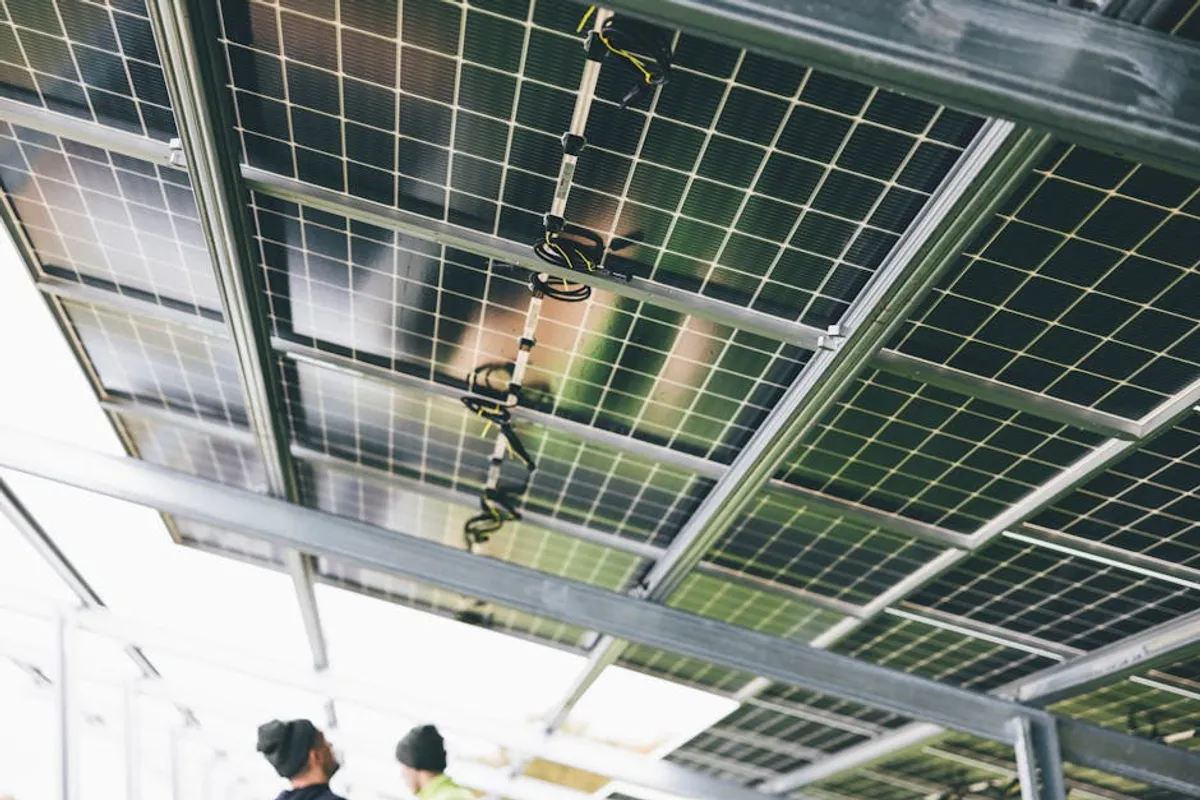
Solar outdoor gadgets offer a sustainable and convenient way to power various devices and enhance outdoor spaces without relying on grid electricity or disposable batteries. For beginners, the sheer variety can be overwhelming, ranging from practical security lights to recreational charging solutions. The core decision revolves around identifying your specific outdoor power needs and matching them with a gadget’s capacity, durability, and functional design. This guide simplifies that process, focusing on what truly matters when integrating solar technology into your outdoor life. This guide simplifies that process, focusing on what truly matters when integrating solar technology into your outdoor life.
Understanding Solar Outdoor Gadgets
A solar outdoor gadget is any device designed for external use that harnesses sunlight to generate electricity, storing it in an integrated battery for later use. This self-sufficiency eliminates the need for wiring or frequent battery replacements, making them ideal for remote locations, garden aesthetics, or emergency preparedness. These gadgets typically consist of a photovoltaic panel, a rechargeable battery, and the electronic components for their specific function, all encased in weather-resistant housing.
Core Advantages of Solar Power for Outdoor Use
Opting for solar-powered outdoor devices brings several distinct benefits that directly impact convenience, cost, and environmental footprint:
- Energy Independence: Gadgets operate autonomously, free from power outlets or external fuel sources. This is particularly valuable for illuminating pathways, securing remote areas, or charging devices during camping trips where grid power is unavailable.
- Reduced Operating Costs: Once purchased, solar gadgets incur no electricity bills. The initial investment covers the energy source for the device's lifespan, leading to long-term savings compared to wired alternatives or battery-dependent devices requiring constant replacements.
- Ease of Installation: Most solar outdoor gadgets are designed for quick, tool-free setup. Path lights often stake directly into the ground, while security cameras might mount with a few screws. This simplicity avoids complex wiring, trenching, or professional installation costs.
- Environmental Impact: Utilizing renewable solar energy reduces reliance on fossil fuels, lowering carbon emissions. This aligns with sustainable living practices and contributes to a smaller ecological footprint for your outdoor activities.
- Enhanced Safety: Without external wiring, the risk of electrical hazards suchs as short circuits or tripping over cables is eliminated. This makes solar lighting and other devices safer for use in gardens, around pools, or in play areas.
Key Categories of Solar Outdoor Gadgets
The market for solar outdoor gadgets is diverse, catering to a wide range of practical and recreational needs. Understanding the main categories helps in identifying the right tool for the job.
Solar Lighting Solutions
This is arguably the most prevalent category. Solar lights automatically charge during the day and illuminate at dusk, offering both utility and ambiance.
- Path and Garden Lights: Typically low-profile stakes or small lanterns, designed to mark walkways or highlight garden features. They provide ambient light rather than intense illumination.
- Security Lights: Often feature motion sensors to activate bright, focused light when movement is detected. These are crucial for deterring intruders and enhancing safety around entrances or dark corners.
- Decorative Lights: String lights, fairy lights, or intricate lanterns that add aesthetic appeal to patios, decks, or trees without the need for extension cords.
Portable Solar Chargers and Power Banks
Essential for adventurers and those who need power on the go, these devices convert sunlight into stored energy for charging phones, tablets, or small electronics.
Best for: Camping, hiking, emergency kits, or off-grid living.
Solar Audio Devices
Includes portable speakers and radios that can recharge their internal batteries using integrated solar panels. This ensures continuous music or news playback during outdoor gatherings or emergencies.
Best for: Beach trips, backyard parties, or remote workshops.
Solar-Powered Security Devices
Beyond lights, this category includes solar-powered cameras, motion detectors, and even dummy cameras that operate independently, providing surveillance without electrical hookups.
Best for: Monitoring remote properties, sheds, or construction sites.
Niche Solar Outdoor Gadgets
This includes a variety of specialized items like solar-powered insect zappers, small water pump kits for garden fountains, or even solar-powered weather stations. These address specific needs with sustainable energy.
Pro Tip: When evaluating solar outdoor gadgets, prioritize the IP (Ingress Protection) rating for durability. An IP65 rating indicates full protection against dust and low-pressure water jets, suitable for general outdoor exposure. For areas with heavy rain or potential submersion, look for IP67 or IP68 ratings, which denote higher water resistance.
Key Considerations Before Purchase
Making an informed decision requires looking beyond the basic function and evaluating several critical performance and design aspects.
Battery Capacity and Runtime
The capacity of the internal battery (measured in mAh for smaller devices or Wh for larger ones) dictates how long the gadget can operate on a full charge, especially during periods of low sunlight. A larger battery capacity generally means longer runtime or brighter output.
Panel Efficiency and Charging Speed
The size and efficiency of the solar panel determine how quickly and effectively the battery recharges. Larger, more efficient monocrystalline panels will charge faster and perform better in less-than-ideal sunlight conditions compared to smaller, less efficient amorphous panels.
Durability and Weather Resistance
Outdoor gadgets must withstand the elements. Look for robust construction materials like ABS plastic or aluminum, and check the IP rating for resistance against dust and water. Corrosion resistance is also important for coastal or humid environments.
Installation and Placement Flexibility
Consider how easily the gadget can be installed and positioned. Some devices offer flexible mounting options, such as stakes, wall mounts, or adjustable panel angles, which are crucial for optimizing sun exposure and functional placement.
Making the Right Choice for Your Needs
Selecting the ideal solar outdoor gadget involves a practical assessment of your environment and requirements. For general ambient lighting, simpler path lights suffice. If security is paramount, invest in motion-activated lights or cameras with higher IP ratings and robust battery life. For portable power, match the charger's output and battery capacity to the devices you intend to charge. Always consider the local climate; areas with frequent overcast days will benefit more from gadgets with larger, more efficient solar panels and higher battery capacities to ensure consistent performance. Prioritize functionality and durability over novelty, ensuring the gadget serves its intended purpose reliably over time.
Frequently Asked Questions
How long do solar outdoor gadgets typically last?
The lifespan varies, but most quality solar outdoor gadgets last 3-5 years. The rechargeable battery is often the first component to degrade, but many are replaceable, extending the gadget's overall life.
Do solar gadgets work on cloudy days?
Yes, solar gadgets can still charge on cloudy days, but at a significantly reduced rate. The charging efficiency directly correlates with the intensity of sunlight received by the panel.
What maintenance do solar outdoor gadgets require?
Minimal maintenance is typically required. Regularly wipe the solar panel clean to ensure maximum light absorption. In snowy regions, clear snow from the panel. Check for loose connections or corrosion periodically.
Can solar lights stay on all night?
Many solar lights are designed to stay on for 6-8 hours after a full day's charge. Their ability to last all night depends on the battery capacity, the efficiency of the solar panel, and the amount of sunlight received during the day.