

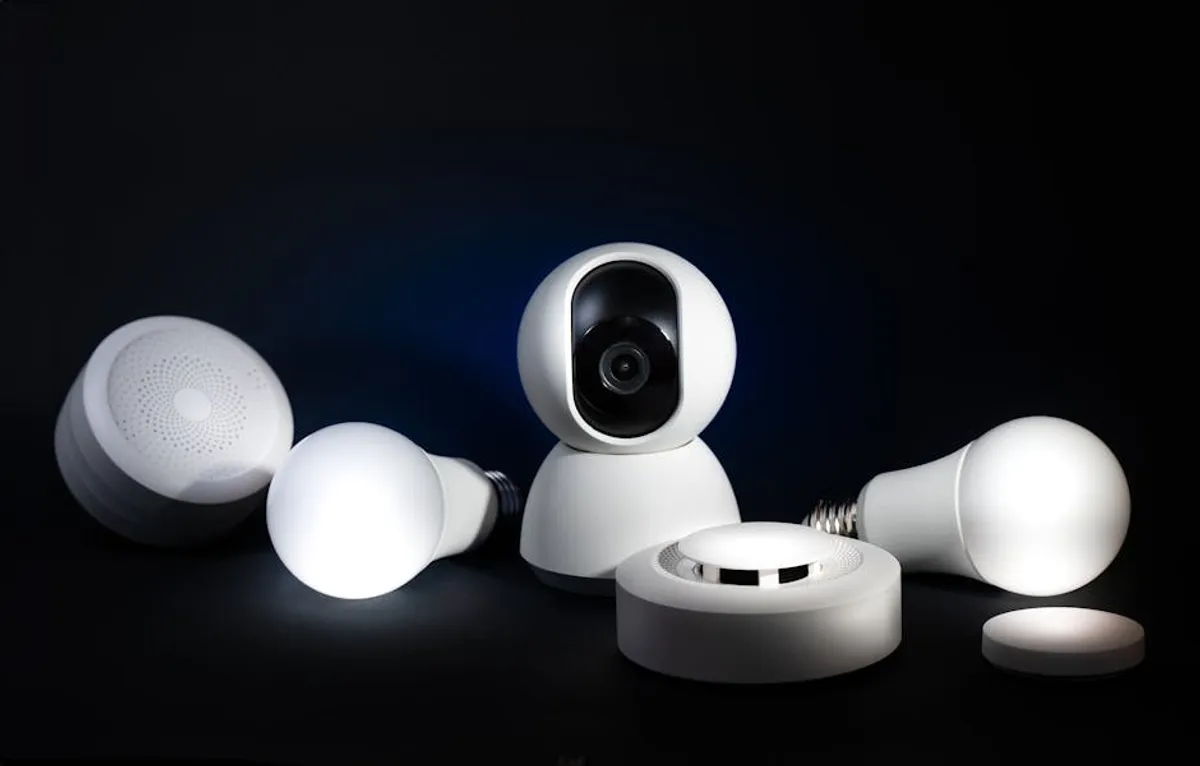
Embarking on smart home automation can feel overwhelming, given the vast array of devices and platforms available. For beginners, the most effective approach involves identifying specific pain points or desired conveniences first, rather than attempting a full-scale overhaul. This targeted strategy ensures practical benefits from the outset, allowing for incremental expansion as comfort and understanding grow. The goal is to enhance daily living through automated routines, improved security, or greater energy efficiency, starting with straightforward, impactful solutions.
Establishing Your Smart Home Foundation
Before purchasing any devices, consider the fundamental aspects of what you want your smart home to accomplish. This initial assessment guides device selection and ensures compatibility.
Identifying Core Needs and Desired Outcomes
Smart home automation excels at solving specific problems or adding convenience. Begin by listing what you hope to achieve:
- Convenience: Automating lights, adjusting thermostats remotely, voice control for media.
- Security: Monitoring entry points, receiving alerts for unusual activity, simulated occupancy.
- Energy Efficiency: Scheduling heating/cooling, monitoring appliance usage, turning off forgotten lights.
- Accessibility: Simplifying controls for those with mobility challenges.
Focusing on one or two key areas initially provides clear objectives and prevents feature overload. For example, if energy savings are paramount, a smart thermostat is a logical first step. If security is the priority, smart door/window sensors offer immediate value.
Understanding Ecosystems and Compatibility
The smart home landscape is defined by various ecosystems, each with its own set of compatible devices and control methods. For beginners, choosing an ecosystem early can simplify future integrations.
Some systems offer a tightly integrated experience, where devices from a single manufacturer or a small group of certified partners work seamlessly together. Others support broader compatibility through open standards, allowing devices from multiple brands to communicate. Consider which approach aligns with your preference for simplicity versus flexibility. Researching common communication protocols like Wi-Fi, Bluetooth, Zigbee, and Z-Wave will clarify how devices interact and what type of central hub, if any, might be required.
Practical Automation Ideas to Start With
These entry-level ideas offer tangible benefits without requiring extensive technical knowledge or significant investment.
Smart Lighting: Simple Control and Ambiance
Best for: Enhancing convenience, setting mood, energy savings.
Smart lighting is often the first foray into home automation due to its straightforward installation and immediate impact. Options range from smart bulbs that screw into existing fixtures to smart switches that control entire circuits. Beginners can start with:
- Scheduled Lighting: Automatically turning lights on at dusk and off at dawn, or setting specific times for rooms to illuminate.
- Voice Control: Integrating with a voice assistant to turn lights on/off or adjust brightness with commands.
- Occupancy Sensing: Using motion sensors to activate lights when entering a room and turn them off after a period of inactivity.
This provides both convenience and a subtle layer of security by making your home appear occupied.
Climate Control: Comfort and Energy Efficiency
Best for: Reducing energy bills, maintaining optimal indoor temperature.
A smart thermostat offers significant control over your home's heating and cooling. These devices learn your preferences, can be controlled remotely via an app, and integrate with other smart home elements.
- Remote Adjustments: Changing temperature settings from anywhere, ensuring your home is comfortable upon arrival or saving energy when you're away.
- Geofencing: Automatically adjusting the thermostat based on your proximity to home.
- Energy Usage Reports: Gaining insights into heating and cooling patterns to identify areas for optimization.
The energy savings alone can often justify the initial investment, making it a commercially sound choice.
Entry-Level Security: Monitoring and Alerts
Best for: Peace of mind, early detection of issues.
Basic smart security elements provide crucial monitoring without the complexity of a full-fledged alarm system.
- Door/Window Sensors: Notifying you when an entry point is opened or closed. These are simple to install and provide immediate alerts to your phone.
- Indoor Cameras: Offering live video feeds and motion-activated recording. Position these in key areas like living rooms or near main entryways.
- Smart Locks: Allowing keyless entry, granting temporary access to visitors, and monitoring who enters and exits.
These devices deliver real-time information, helping you maintain awareness of your home's status.
Pro Tip: Prioritize Network Security
As you add smart devices, your home network becomes a critical component. Use strong, unique passwords for your Wi-Fi and all smart home accounts. Enable two-factor authentication wherever possible. Regularly update device firmware to patch security vulnerabilities. A compromised smart device can be an entry point for unauthorized access to your entire network.
Building on Your Initial Setup
Once comfortable with initial automations, consider expanding into more integrated routines and advanced monitoring.
Automating Routines and Scenes
Best for: Streamlining daily activities, creating personalized environments.
Combining multiple devices into automated routines creates a truly "smart" experience. Many platforms allow you to create "scenes" or "routines" that trigger several actions simultaneously.
- "Good Morning" Routine: Lights gradually brighten, thermostat adjusts, and a smart speaker begins playing news or music.
- "Leaving Home" Routine: Lights turn off, thermostat adjusts to an away setting, doors lock, and security sensors activate.
- "Movie Night" Scene: Lights dim to a specific level, blinds close, and the TV/sound system powers on.
These routines save time and add a layer of sophistication to your home environment.
Expanding Security and Monitoring
Best for: Comprehensive home protection, remote oversight.
Beyond basic sensors, consider integrating additional security layers:
- Outdoor Cameras: Monitoring perimeter activity, often with advanced features like person detection.
- Video Doorbells: Seeing and speaking to visitors remotely, even when you're not home.
- Water Leak Sensors: Detecting leaks in basements, bathrooms, or near appliances to prevent costly damage.
These additions provide a more holistic view of your property's safety and integrity.
Charting Your Smart Home Journey
The journey into smart home automation is iterative. Start with clear, achievable goals, select devices that solve immediate problems, and expand thoughtfully. Prioritize compatibility, network security, and ease of use to ensure a positive and commercially beneficial experience. Each successful automation builds confidence, paving the way for more complex integrations that genuinely enhance your living space.
Frequently Asked Questions
Do I need a central hub for smart home devices?
Many smart devices, particularly those using Wi-Fi or Bluetooth, can operate independently or with a smartphone app. However, a central hub (sometimes called a bridge or gateway) is often beneficial for devices using protocols like Zigbee or Z-Wave, or to enable complex automations and cross-device communication across different brands. It can also improve reliability and reduce network congestion.
Is smart home technology secure?
The security of smart home technology varies by device and platform. Reputable manufacturers prioritize security, but users must also take precautions. This includes using strong, unique passwords, enabling two-factor authentication, keeping device firmware updated, and securing your home Wi-Fi network. Treat smart devices like any other internet-connected device with potential vulnerabilities.
Can I mix different brands and ecosystems?
Yes, mixing brands is often possible, but it can introduce compatibility challenges. Some devices are designed to work across multiple ecosystems (e.g., compatible with both voice assistants and certain smart home platforms). For seamless integration, look for devices that adhere to open standards or those explicitly listed as compatible with your chosen primary ecosystem. A central hub or a platform that supports a wide range of devices can help bridge different brands.
What's the most cost-effective way to start smart home automation?
The most cost-effective approach is to begin with a single, high-impact device that addresses a specific need, such as a smart plug for appliance control or a smart bulb for a frequently used lamp. Look for starter kits offered by reputable brands, which often provide a hub and a few devices at a reduced price. Prioritize devices that offer tangible benefits like energy savings or enhanced security, which can provide a return on investment over time.



