

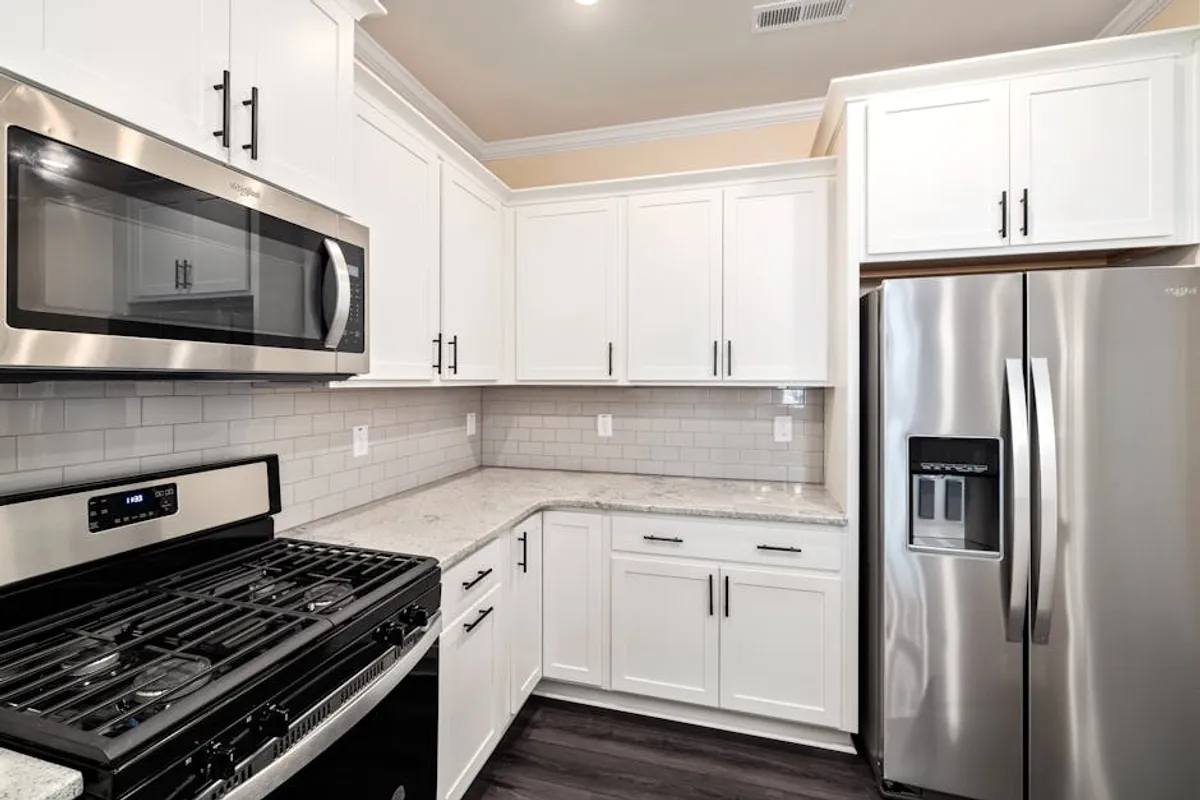
Upgrading a kitchen transcends mere aesthetics; it's a strategic investment in daily functionality, property value, and overall home comfort. Homeowners often face the challenge of balancing immediate needs with long-term resale potential, navigating a vast array of material choices, design trends, and budget constraints. The most effective kitchen upgrades integrate thoughtful design with practical solutions, ensuring the space not only looks appealing but also enhances everyday living through improved workflow, storage, and efficiency. This guide outlines key areas for impactful kitchen enhancements, focusing on decisions that deliver tangible benefits and enduring value.
Optimizing Layout and Flow
A kitchen's layout dictates its efficiency and comfort. Before selecting finishes or appliances, assess the existing footprint for opportunities to improve traffic patterns and task zones. The classic "work triangle" – the relationship between the refrigerator, sink, and cooktop – remains a foundational principle, aiming for a combined perimeter of 12 to 23 feet for optimal movement without excessive walking or cramped conditions. Modern kitchens often expand this concept to include distinct zones for prep, cooking, cleaning, and entertaining, particularly in open-plan designs.
Smart Storage Solutions
Clutter directly impacts a kitchen's functionality and perceived size. Effective storage is not simply about adding more cabinets, but about optimizing the space within them. This means considering how items are accessed and used daily. Incorporating specialized storage can significantly improve organization and reduce frustration.
- Pull-out pantry systems: Offer full visibility and easy access to dry goods, eliminating lost items in deep shelves.
- Drawer organizers and dividers: Keep utensils, spices, and small appliances neatly arranged and readily available.
- Corner cabinet solutions: Lazy Susans or magic corner units maximize otherwise awkward and inaccessible spaces.
- Vertical storage: Pegboards inside cabinet doors or narrow pull-out cabinets for baking sheets and cutting boards utilize vertical space efficiently.
Efficient Workspace Design
Adequate and strategically located counter space is crucial for food preparation. Consider the primary prep area to be adjacent to the sink and near the cooktop. Varying counter heights can accommodate different tasks or users, though a consistent height often provides a more streamlined look. Islands or peninsulas serve multiple functions, offering additional prep space, casual dining, and integrated storage. Ensure sufficient clearance around these elements for comfortable movement, generally 36-42 inches for walk-through areas.
Material Selections for Durability and Aesthetics
The materials chosen for countertops, cabinetry, and flooring significantly influence both the kitchen's appearance and its long-term performance under daily use.
Countertop Considerations
Countertops must withstand heat, moisture, impacts, and stains. Material selection involves balancing durability, maintenance requirements, and aesthetic appeal.
- Quartz: Engineered stone offering exceptional durability, non-porous surface (stain-resistant), and a wide range of colors and patterns. Requires minimal maintenance.
- Granite: Natural stone known for its unique patterns and heat resistance. Requires periodic sealing to prevent staining.
- Solid Surface (e.g., Corian): Seamless appearance, repairable scratches, and available in many colors. Less heat resistant than stone.
- Butcher Block: Adds warmth and can serve as a cutting surface. Requires regular oiling and careful maintenance to prevent water damage and staining.
Cabinetry Choices
Cabinets represent a substantial portion of a kitchen's budget and define its style. Beyond aesthetics, focus on construction quality and functional features.
- Construction: Plywood boxes are generally more durable than particleboard. Dovetail or dado joints for drawers indicate better craftsmanship.
- Door Styles: Shaker, flat-panel, and raised-panel are popular choices, each contributing to a distinct design aesthetic.
- Finishes: Paint offers versatility, while wood stains highlight natural grain. Consider durability of finish, especially in high-traffic areas.
- Hardware: Handles and pulls are functional and decorative elements that can dramatically update a cabinet's look.
Flooring for Function and Style
Kitchen flooring needs to be resilient, easy to clean, and comfortable for standing. Water resistance is a primary concern.
- Tile (Porcelain or Ceramic): Highly durable, water-resistant, and available in countless styles. Can be hard underfoot and grout lines require maintenance.
- Hardwood: Offers warmth and classic appeal. Can be refinished. Requires protection from spills and can scratch.
- Luxury Vinyl Tile/Plank (LVT/LVP): Offers realistic wood or stone looks, is highly water-resistant, durable, and more comfortable underfoot than tile.
Lighting: Beyond Illumination
Effective kitchen lighting creates ambiance, enhances safety, and improves task performance. A layered approach is most effective.
- Ambient Lighting: General illumination provided by recessed lights, ceiling fixtures, or track lighting.
- Task Lighting: Focused light for work areas, such as under-cabinet lighting for countertops, or pendant lights over an island. Essential for safe food preparation.
- Accent Lighting: Highlights architectural features or decorative elements, like in-cabinet lighting for display items.
Dimmers on all lighting circuits provide flexibility to adjust brightness and mood throughout the day.
Appliance Integration: Smart Choices for Modern Living
Modern appliances offer enhanced energy efficiency, smart features, and integrated designs that streamline kitchen operations. When upgrading, consider how new appliances will fit into your overall design and daily routines.
- Energy Efficiency: Look for Energy Star ratings to reduce utility costs.
- Induction Cooktops: Offer rapid heating, precise temperature control, and easy cleanup.
- Convection Ovens: Provide more even cooking and faster bake times.
- Quiet Dishwashers: Essential for open-concept homes where noise can be disruptive.
- Integrated Refrigeration: Panel-ready appliances blend seamlessly with cabinetry for a custom look.
Small Changes, Big Impact: Budget-Friendly Updates
Not every upgrade requires a full renovation. Smaller, targeted changes can significantly refresh a kitchen's appearance and functionality without a major investment.
- Paint: A fresh coat of paint on walls or even existing cabinets can dramatically alter the room's atmosphere.
- Hardware: Swapping out old cabinet pulls and knobs for new ones provides an instant, inexpensive update.
- Backsplash: Installing a new tile backsplash introduces color, texture, and a focal point.
- Faucet: A modern, high-arc faucet can improve both aesthetics and utility at the sink.
- Lighting Fixtures: Upgrading pendant lights or a central ceiling fixture can modernize the space.
Pro Tip: When planning any kitchen upgrade, consider how each element contributes to the room's overall ergonomics and long-term maintenance. A beautiful material that is difficult to clean or prone to damage will detract from the "everyday home" experience over time. Prioritize durability and ease of care alongside aesthetic appeal.
Strategic Planning for Lasting Value
Successful kitchen upgrades stem from meticulous planning. Begin by defining your primary goals: Is it improved functionality, enhanced aesthetics, increased property value, or a combination? Create a detailed budget that accounts for materials, labor, and a contingency fund. Research and vet contractors thoroughly, checking references and ensuring proper licensing and insurance. Consider the longevity of design choices; while trends can be appealing, timeless elements often provide better long-term satisfaction and resale value. A well-executed kitchen upgrade should feel intuitive, durable, and personally reflective of your daily needs for years to come.
Frequently Asked Questions
What is the average return on investment (ROI) for a kitchen remodel?
The ROI for a kitchen remodel varies significantly by scope and location, but minor cosmetic remodels typically recoup 70-80% of their cost, while major remodels might see 50-60% return. Focusing on functional improvements and timeless design tends to yield better returns.
How long does a typical kitchen upgrade project take?
A minor kitchen refresh (paint, hardware, backsplash) can take a few days to a week. A moderate remodel involving new cabinets, countertops, and appliances usually takes 4-8 weeks. A full gut renovation with layout changes and structural work can extend to 10-16 weeks or more, depending on complexity and material lead times.
Should I hire a professional kitchen designer or contractor?
For extensive remodels involving layout changes, custom cabinetry, or complex material selections, a professional kitchen designer can provide invaluable expertise in space planning, material sourcing, and project management. A licensed and insured general contractor is essential for managing the construction aspects, ensuring quality workmanship and adherence to building codes.
What are the most impactful budget-friendly kitchen upgrades?
High-impact, budget-friendly upgrades include painting cabinets, updating cabinet hardware, installing a new backsplash, upgrading the kitchen faucet, and improving lighting fixtures. These changes offer significant visual improvements without the cost or disruption of a full renovation.



