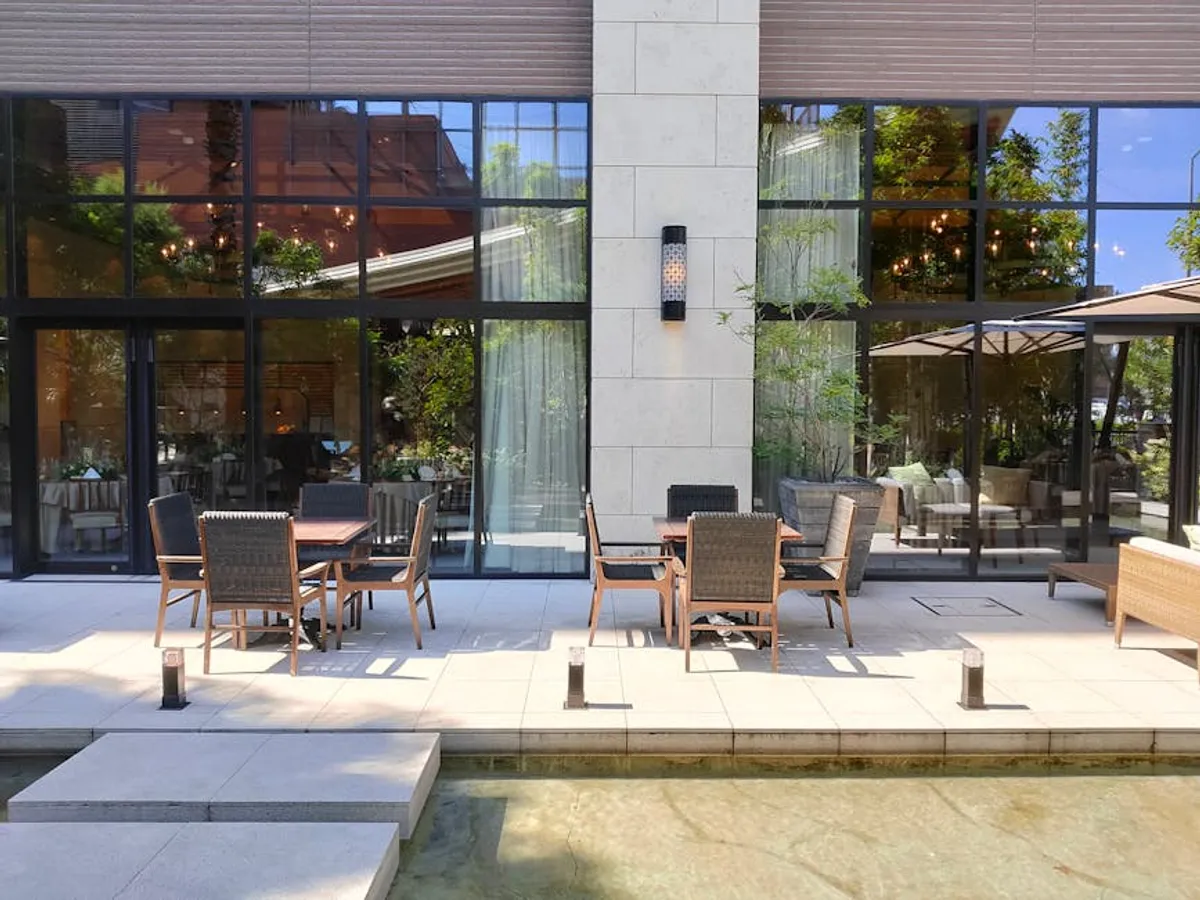
Investing in outdoor technology for your patio or backyard transforms a space, but its value hinges entirely on longevity. Unlike indoor electronics, patio tech faces constant exposure to sun, rain, temperature extremes, and dust. Choosing products that fail after a single season results in wasted money and frustration. The key is to approach the selection process with a focus on durability, understanding that upfront research into specific material properties, environmental ratings, and construction quality directly impacts how long your investment will perform. This approach helps in avoiding common pitfalls when selecting patio technology.
Assessing Your Outdoor Environment's Demands
Before evaluating any specific product, consider the unique challenges of your patio's location. Direct sunlight for many hours daily demands superior UV resistance in plastics and finishes, preventing discoloration, cracking, or material breakdown. Areas with high humidity, frequent rain, or proximity to saltwater (coastal regions) require enhanced corrosion protection for metal components and robust seals against moisture ingress. Extreme temperature fluctuations, from freezing winters to scorching summers, test the thermal resilience of internal electronics and external housings. Understanding these specific environmental stressors allows you to filter options more effectively, avoiding products designed for milder conditions.
Material Science for Outdoor Longevity
The materials used in patio tech dictate much of its lifespan. For enclosures and casings, look for high-grade, UV-stabilized plastics (like ABS or polycarbonate) or powder-coated aluminum. These materials resist fading, cracking, and rust far better than standard plastics or untreated metals. Speaker cones and surrounds should be made from weather-resistant polymers (e.g., polypropylene, rubber) that do not degrade with moisture or temperature changes. Wiring and connectors require marine-grade or outdoor-rated insulation to prevent brittleness and signal loss. Stainless steel hardware is preferable for fasteners and mounting brackets due to its superior corrosion resistance compared to galvanized or standard steel.
Look for:
- UV-stabilized plastics or powder-coated aluminum casings.
- Weather-resistant polymer speaker cones (polypropylene, rubber).
- Marine-grade or outdoor-rated wiring and connectors.
- Stainless steel fasteners and mounting hardware.
Deciphering IP Ratings for Water and Dust Protection
The Ingress Protection (IP) rating system provides a standardized measure of a device's resistance to solids (like dust) and liquids (like water). An IP rating consists of two digits: the first indicates protection against solid particles (0-6), and the second indicates protection against liquids (0-8). For patio tech, a higher IP rating signifies greater durability against outdoor elements.
For example, an IP65 rating means the device is completely protected against dust ingress (6) and can withstand low-pressure water jets from any direction (5). An IP67 rating indicates dust-tight protection (6) and immersion in up to 1 meter of water for 30 minutes (7). While IP68 offers even greater immersion protection, IP65 or IP66 is often sufficient for most patio applications, protecting against rain and splashes. Avoid products with ratings below IPX4 for any exposed outdoor use, as they offer minimal protection against splashing water.
Pro Tip: Do not confuse splash-resistant (IPX4) with weather-resistant (IP65/IP66). For open-air patios or areas directly exposed to rain, target a minimum IP65 rating. This ensures robust protection against direct rain and dust accumulation, preventing premature failure due to environmental exposure.
Evaluating Connectivity and Power Solutions
The longevity of patio tech also depends on its internal components and how it connects to power and networks. For wireless devices, ensure robust Wi-Fi or Bluetooth modules designed for outdoor range and stability, often indicated by external, weather-sealed antennas. Power supplies and charging ports must also be weather-rated, typically with sealed covers or integrated waterproof designs. Exposed USB ports or standard power adapters are vulnerabilities. Consider hardwired solutions for audio or lighting where possible, as they eliminate battery degradation and offer more stable, long-term performance, provided the wiring itself is outdoor-rated and properly installed in conduit. Following proper installation steps is crucial for the longevity of these devices.
Considering Installation and Maintenance for Longevity
Even the most durable patio tech can fail prematurely without proper installation and ongoing care. Mount devices securely, following manufacturer guidelines, to prevent wind damage or accidental falls. Ensure all cables are correctly routed, protected from pinching or abrasion, and sealed at entry points to prevent moisture intrusion. Using outdoor-rated conduit for wiring protects against UV degradation and physical damage. Regular, gentle cleaning with appropriate solutions removes dust, pollen, and grime that can accumulate and degrade materials or impede performance. For devices with batteries, adhere to charging cycles and temperature recommendations to extend battery life. Using protective covers during extreme weather or off-season storage further shields equipment from unnecessary wear.
The Role of Warranty and Brand Reputation
A robust warranty signals a manufacturer's confidence in their product's durability. Look for warranties specifically covering outdoor use and extending for at least two to three years. Understand what the warranty covers (e.g., water damage, UV degradation) and any conditions for validity. Beyond the warranty, research the brand's reputation for producing reliable outdoor electronics. Brands with a long history in marine, commercial outdoor, or professional audio/visual sectors often apply similar engineering and material standards to their consumer patio tech, resulting in products built to withstand harsh conditions.
Making Your Outdoor Tech Investment Endure
Choosing patio tech that lasts is not about finding the cheapest option or the one with the most features. It's a strategic decision based on understanding your environment, scrutinizing material choices, deciphering technical specifications like IP ratings, and committing to proper installation and maintenance. By prioritizing these factors, you ensure your outdoor living space remains enhanced by technology that performs reliably season after season, delivering sustained value and enjoyment.
Common Questions About Durable Patio Tech
What is the most critical factor for patio tech longevity?
The most critical factor is the product's IP (Ingress Protection) rating, which indicates its resistance to dust and water. For most patios, an IP65 or IP66 rating is essential to withstand rain and dust effectively.
Can I use indoor tech outdoors if it's covered?
While a covered area offers some protection, indoor tech is not designed for outdoor temperature fluctuations, humidity, or potential dust. Its materials and internal components lack the necessary weatherproofing, leading to premature failure even with partial shelter.
How often should I clean my outdoor electronics?
Regular cleaning, ideally monthly or quarterly depending on environmental exposure, helps prevent the buildup of dirt, pollen, and corrosive agents. Use a soft cloth and mild, non-abrasive cleaners, ensuring the device is powered off and dry before use.
Does a longer warranty always mean better durability?
A longer warranty (e.g., 3-5 years) generally indicates a manufacturer's confidence in their product's build quality and durability, especially when it explicitly covers outdoor conditions. However, always review the specific terms and conditions to understand what is covered and what might void the warranty.