

Choosing materials for a remodeling project represents a pivotal decision, directly influencing the project's budget, aesthetic outcome, longevity, and future maintenance demands. This process extends beyond mere visual appeal; it requires a strategic assessment of each material's performance characteristics, installation requirements, and long-term value. Homeowners and project managers must weigh initial costs against durability, environmental impact, and the practicalities of daily use to ensure selections align with both immediate goals and enduring satisfaction.
Defining Your Project's Core Requirements
Before evaluating specific materials, establish a clear framework for your project. This involves understanding the interplay between financial constraints, functional needs, and the desired aesthetic.
Budgetary Constraints and Value Engineering
The budget dictates the feasible material options. Differentiate between upfront purchase and installation costs versus the long-term value, including lifecycle costs like maintenance, repair, and potential replacement. Value engineering involves selecting materials that deliver the required performance and aesthetics at the most efficient cost, often by optimizing material specifications without compromising essential functions. For instance, a high-end engineered wood floor might offer the look of solid hardwood with greater stability and less maintenance at a comparable or lower total cost over its lifespan.
Functional Needs and Durability
Consider the area's intended use and expected traffic. A kitchen countertop, for example, requires resistance to heat, scratches, and stains, while a bathroom floor needs superior moisture resistance. High-traffic hallways demand flooring that withstands constant wear. Understanding these functional demands guides material selection toward options that offer appropriate durability ratings, ensuring they perform reliably without premature degradation.
Aesthetic Vision and Style Cohesion
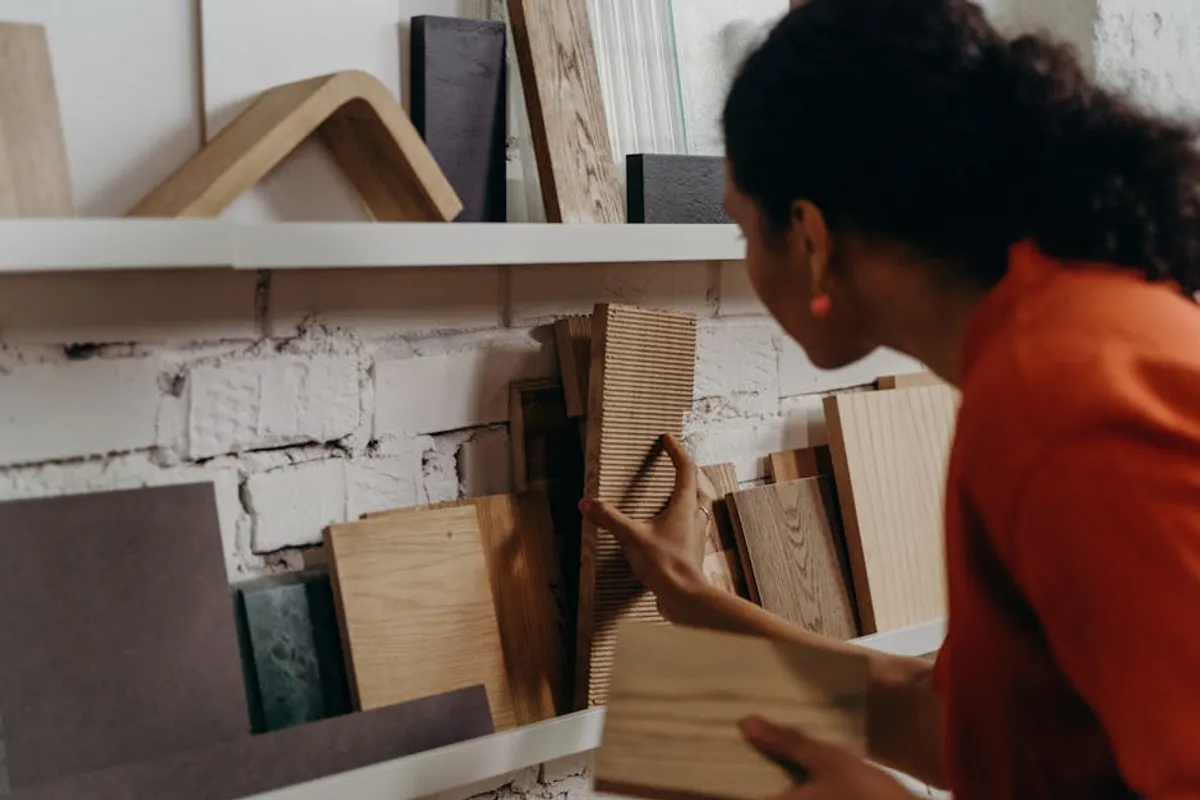
Materials contribute significantly to the overall style and atmosphere of a space. Select options that complement the existing architectural style of the home or align with the new design vision. This includes color palettes, textures, and finishes. Consistency in material choices across different areas can create a cohesive flow, while intentional contrasts can define distinct zones. Requesting samples and visualizing them in the actual space under varying light conditions is crucial for confirming aesthetic suitability.
Evaluating Material Characteristics
Once core requirements are established, a detailed evaluation of material properties becomes essential. Each material comes with a unique profile of advantages and limitations.
Performance and Longevity
Investigate how each material performs under typical conditions. For flooring, this includes scratch resistance (e.g., Janka hardness for wood), stain resistance, and water resistance. For exterior materials, consider UV stability, weather resistance, and thermal expansion properties. Manufacturers often provide technical specifications or ratings (e.g., PEI rating for ceramic tile abrasion) that quantify these attributes, offering objective data for comparison.
Maintenance and Care
Understand the ongoing commitment required for each material. Some materials, like natural stone, may require regular sealing, while others, such as porcelain tile, are largely maintenance-free beyond routine cleaning. Evaluate the ease of cleaning, the need for specialized products, and the susceptibility to damage that would necessitate costly repairs. A material with lower initial cost but high maintenance demands can quickly become more expensive over time.
Sustainability and Health Impact
For those prioritizing environmental responsibility, assess materials based on their lifecycle impact. This includes sourcing (recycled content, rapidly renewable resources), manufacturing processes (energy consumption, waste generation), and end-of-life disposal. Furthermore, consider indoor air quality; look for materials with low Volatile Organic Compound (VOC) emissions, especially for interior finishes like paints, adhesives, and flooring. Certifications from organizations like GREENGUARD or Forest Stewardship Council (FSC) provide reliable indicators.
Installation Complexity and Cost
The cost of installation can significantly impact the overall project budget. Some materials, such as custom tile work or intricate millwork, require highly skilled labor and more time, leading to higher labor costs. Others, like pre-finished flooring or modular systems, can be installed more quickly and by a wider range of contractors, potentially reducing labor expenses. Always obtain detailed quotes that separate material costs from installation costs.
Pro Tip: Never rely solely on online images for material selection. Lighting, screen calibration, and texture are often misrepresented. Always obtain physical samples of your top choices and observe them in the actual remodeling space under different lighting conditions and at various times of day. This prevents costly surprises and ensures the material truly matches your vision.
Navigating Material Options by Area
Specific areas within a home present unique challenges and opportunities for material selection.
Kitchen Surfaces
Kitchens demand materials that are highly durable and easy to clean.
- Countertops: Quartz offers excellent durability, stain resistance, and a non-porous surface, making it hygienic and low-maintenance. Granite provides natural beauty and heat resistance but requires periodic sealing. Laminate is a cost-effective option with a wide range of styles but is less heat and scratch resistant.
- Flooring: Porcelain or ceramic tile is highly durable, water-resistant, and comes in countless designs. Luxury Vinyl Tile (LVT) and Luxury Vinyl Plank (LVP) offer water resistance and mimic natural materials effectively, providing comfort underfoot. Hardwood adds warmth but requires protection from spills and scratches.
Bathroom Finishes
Moisture resistance is paramount in bathrooms.
- Shower Surrounds: Large-format porcelain tiles minimize grout lines, reducing maintenance. Solid surface materials like cultured marble or acrylic offer seamless, non-porous surfaces that are easy to clean and resist mildew. Natural stone provides a luxurious feel but demands more upkeep.
- Vanity Tops: Quartz and solid surface materials perform well due to their non-porous nature and resistance to moisture and common bathroom chemicals.
- Flooring: Porcelain tile, LVT, and sheet vinyl are excellent choices for their water resistance and durability.
Flooring Throughout the Home
Consider the balance of aesthetics, comfort, and durability for general living areas.
- Hardwood and Engineered Wood: Offer timeless appeal and warmth. Engineered wood provides greater stability in fluctuating humidity.
- Carpet: Provides comfort, sound absorption, and warmth, available in various pile heights and fiber types for different durability levels.
- LVP/LVT: A versatile, durable, and water-resistant option suitable for almost any room, mimicking wood or stone convincingly.
Strategic Material Selection for Long-Term Value
Successful material selection for a remodeling project hinges on thorough research, realistic budgeting, and a clear understanding of long-term implications. Prioritize materials that align with the space's functional demands, complement the desired aesthetic, and fit within your financial parameters. Engage with reputable suppliers, review product specifications, and always obtain physical samples to make informed decisions. By taking a methodical approach, you ensure your material choices contribute to a beautiful, functional, and enduring renovation.
Frequently Asked Questions
How do I balance cost and quality when choosing materials?
Balancing cost and quality involves identifying where to invest more for long-term durability and where to save without sacrificing essential function or aesthetics. For high-traffic areas or permanent fixtures (e.g., flooring, countertops), investing in higher-quality, more durable materials often yields better long-term value. For less critical or easily replaceable elements (e.g., paint, decorative hardware), more budget-friendly options can be suitable. Prioritize materials that offer the best performance-to-cost ratio for your specific needs.
What's the most durable flooring for a high-traffic area?
For high-traffic areas, porcelain tile, luxury vinyl plank (LVP), and certain types of engineered wood or commercial-grade laminate are highly durable. Porcelain tile is extremely resistant to scratches, dents, and water. LVP offers excellent resilience, water resistance, and comfort. Engineered wood with a durable finish can withstand significant wear, provided it's properly maintained.
Should I prioritize aesthetics or function in material selection?
Ideally, you should prioritize both, as they are interconnected. A material that looks beautiful but fails functionally will lead to dissatisfaction and premature replacement. Conversely, a highly functional material that clashes with your aesthetic vision can detract from the overall enjoyment of the space. Seek materials that offer a strong balance, or consider options that provide both (e.g., quartz countertops for both durability and modern aesthetics).
Where can I find reliable material samples and information?
Reliable material samples and information can be obtained from several sources:
- Specialty showrooms: Kitchen and bath design centers, flooring stores, and tile shops often have large samples and knowledgeable staff.
- Manufacturer websites: Provide detailed specifications, warranty information, and often virtual visualizers.
- Professional contractors/designers: They often have access to a wider range of samples and can provide insights based on their experience.
- Home improvement stores: Offer a broad selection, though samples might be smaller.
Always verify information directly with the manufacturer or a certified professional.



