

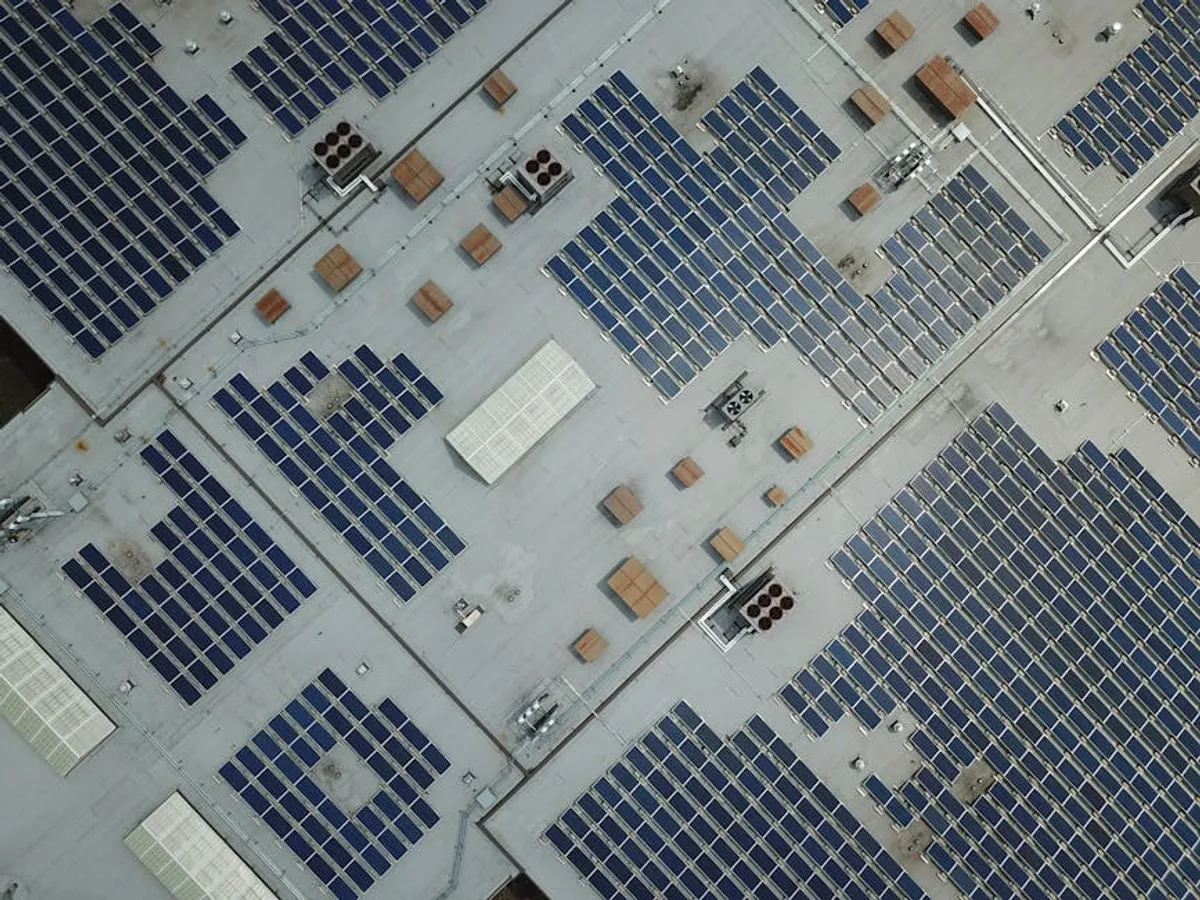
Integrating solar-powered gadgets into outdoor living spaces offers a practical approach to energy independence and convenience, eliminating the need for external power sources or frequent battery replacements. The utility of these devices extends beyond simple illumination; they encompass charging solutions, security enhancements, entertainment options, and environmental monitoring tools. When evaluating potential additions, the core decision revolves around balancing energy efficiency, durability, and functional purpose against specific outdoor requirements. Understanding the operational limitations, such as charging times and power output, is crucial for selecting gadgets that genuinely enhance, rather than complicate, outdoor experiences. The market presents a diverse range of solar-powered solutions, each designed to address distinct needs, from ambient lighting to critical power backup. Prioritizing robust construction, effective solar conversion rates, and appropriate battery storage capacity will ensure long-term performance and satisfaction.
Key Considerations for Solar Gadgets
When selecting solar-powered gadgets for outdoor living, several technical and practical considerations dictate performance and longevity. First, assess the solar panel's efficiency and size. Larger, monocrystalline panels generally offer higher conversion rates, meaning quicker charging and more consistent power delivery, especially in suboptimal sunlight conditions. Amorphous silicon panels, while less efficient, can sometimes perform better in low light or partial shade, but require a larger surface area. The panel's placement and orientation directly impact its charging capability; unobstructed, direct sunlight for several hours daily is ideal for most devices.
Battery capacity, typically measured in milliampere-hours (mAh) for smaller devices or watt-hours (Wh) for larger ones, determines how long a gadget can operate once charged or how much power it can store. A higher capacity means extended usage, but also longer charging times. Look for devices with integrated overcharge and discharge protection to prolong battery life. The battery type, often lithium-ion or NiMH, also affects performance; lithium-ion offers higher energy density and a longer cycle life.
Durability and weather resistance are paramount for outdoor applications. Gadgets should possess an Ingress Protection (IP) rating, indicating resistance to dust and water. An IPX4 rating signifies splash resistance, suitable for light rain, while IPX7 denotes immersion resistance, crucial for devices exposed to heavy downpours or accidental submersion. Materials like ABS plastic, aluminum, or reinforced glass contribute to structural integrity. Consider operating temperature ranges, as extreme heat or cold can degrade battery performance and electronic components.
Finally, evaluate the gadget's intended use and specific features. For lighting, lumen output and beam angle are important. For chargers, the number and type of output ports (USB-A, USB-C, wireless charging) determine compatibility. Security cameras require motion detection, night vision, and connectivity options. Understanding these core specifications ensures the chosen gadget aligns with functional expectations and withstands the rigors of an outdoor environment.
1. Portable Solar Power Bank
This category encompasses compact, battery-driven devices equipped with integrated solar panels, designed to recharge smartphones, tablets, and other USB-powered electronics when grid power is unavailable. Their primary utility lies in providing emergency power or extending device usage during outdoor excursions where traditional outlets are inaccessible. Modern iterations often feature multiple output ports, including USB-A and USB-C, and some integrate wireless charging pads. The solar panel serves as a trickle charger, supplementing the main battery, which is typically charged via a wall adapter for optimal performance. Capacity ranges from 5,000 mAh for basic phone top-ups to 20,000+ mAh for multiple device charges.
Best for: Backpackers, campers, emergency preparedness, or anyone needing reliable off-grid device charging during daylight hours.
Pros: Provides critical power in remote locations; often includes ruggedized, water-resistant casings; some models feature integrated LED flashlights and carabiner clips for easy attachment to packs.
Cons: Solar charging is significantly slower than wall charging, often requiring many hours of direct sunlight for a full charge; smaller panels may struggle to fully charge larger capacity batteries solely via solar; performance is heavily dependent on weather conditions.
Verdict: An essential backup power source for outdoor enthusiasts, offering a sustainable, albeit slow, method of maintaining device functionality away from conventional power grids. Its value is primarily as a supplementary charging method rather than a primary one.
2. Solar-Powered LED String Lights
These decorative lighting solutions consist of a series of small LED bulbs strung along a cable, powered by a detached or integrated solar panel. They automatically illuminate at dusk and turn off at dawn, controlled by a light sensor. Their purpose is to create ambient lighting, define pathways, or add aesthetic appeal to patios, gardens, and outdoor seating areas without requiring electrical wiring or outlets. Battery life and brightness vary, with higher quality units offering multiple lighting modes (e.g., steady, flashing) and extended illumination times from a full charge.
Best for: Enhancing outdoor ambiance, illuminating garden features, or providing subtle pathway lighting for aesthetic and safety purposes.
Pros: Zero operational cost after initial purchase; easy installation without electrical work; automatic operation; available in various lengths and bulb styles to match different decor.
Cons: Brightness is generally lower than AC-powered lights; performance is weather-dependent, with reduced illumination during prolonged cloudy periods; battery degradation over time can reduce operational hours.
Verdict: A cost-effective and environmentally friendly option for decorative outdoor lighting, ideal for creating mood and visual interest without complex installation, provided expectations for brightness are moderate.
3. Solar-Powered Bluetooth Speaker
These portable audio devices integrate a solar panel to recharge their internal battery, allowing for extended music playback outdoors without reliance on an AC power source. They connect wirelessly to smartphones or other devices via Bluetooth. Designed for outdoor use, many models feature rugged, water-resistant, and sometimes shockproof construction. The solar panel typically provides supplemental charging during use or can slowly recharge the speaker when idle, extending playtime significantly beyond what the internal battery alone could offer.
Best for: Picnics, beach trips, camping, or any outdoor gathering where portable music is desired without concern for battery life or power outlets.
Pros: Extended playback time with solar charging; eliminates the need for power outlets; often built with durable, weather-resistant materials; provides entertainment in remote settings.
Cons: Solar charging can be slow, requiring direct sunlight for optimal effect; audio quality can vary significantly between models; larger speakers may have less efficient solar integration relative to their power consumption.
Verdict: A practical solution for continuous outdoor audio, offering the freedom of wireless connectivity combined with sustainable power, best suited for users who value extended playtime over maximum volume or audiophile-grade sound.
4. Solar-Powered Camping Lantern
These lanterns provide illumination for campsites, tents, or outdoor areas, using an internal battery recharged by an integrated solar panel. They offer a self-sufficient light source for nighttime activities, eliminating the need for disposable batteries or fuel. Many models feature multiple brightness settings, collapsible designs for portability, and sometimes a USB output for charging small devices. Lumen output varies, with some models providing enough light for an entire tent and others serving as personal task lights.
Best for: Campers, hikers, emergency kits, or anyone requiring reliable, independent light source during power outages or remote outdoor activities.
Pros: Self-sufficient and eco-friendly lighting; often lightweight and compact; eliminates ongoing battery costs; provides consistent light for several hours on a full charge.
Cons: Solar charging requires direct sunlight for several hours; brightness may not match traditional fuel lanterns; performance diminishes in prolonged cloudy conditions; smaller models may offer limited light output.Verdict: An indispensable item for off-grid illumination, offering convenience and sustainability for temporary outdoor lighting needs, particularly valuable in situations where external power is unavailable.
5. Solar-Powered Security Camera
These surveillance devices operate entirely on solar power, eliminating the need for wiring to a power source. They incorporate a solar panel that charges an internal battery, providing continuous operation. Key features include motion detection, night vision, two-way audio, and remote viewing capabilities via a smartphone app. They are often deployed in locations where running electrical cables is impractical, such as remote cabins, driveways, or construction sites. Data storage typically occurs via an SD card or cloud subscription.
Best for: Remote property monitoring, surveillance in areas without easy access to power, or temporary security needs where quick deployment is essential.
Pros: Wireless installation simplifies setup; zero electrical wiring required; continuous operation without grid power; provides security monitoring in off-grid locations.
Cons: Solar charging efficiency impacts battery life, especially during prolonged cloudy weather; data transmission (Wi-Fi or cellular) consumes power; cloud storage often incurs subscription fees; performance can be affected by extreme temperatures.
Verdict: A viable solution for decentralized security monitoring, offering flexibility in placement and sustainable operation, though its effectiveness hinges on consistent solar exposure and robust network connectivity.
6. Solar-Powered Animal Repeller
These devices are designed to deter pests like rodents, birds, and larger animals from gardens, yards, or outdoor spaces using a combination of ultrasonic sounds, flashing lights, or sonic alarms. They are powered by an integrated solar panel that charges an internal battery, ensuring continuous operation without external power. Many models incorporate motion sensors to activate the deterrents only when an animal is detected, conserving battery life. The effective range and specific animal targets vary by model.
Best for: Protecting gardens, lawns, or outdoor areas from unwanted wildlife without using chemicals or traps.
Pros: Environmentally friendly and humane pest control; no ongoing power costs; easy, wireless installation; automatic operation with motion detection.
Cons: Effectiveness can vary widely depending on the animal and individual device; some ultrasonic frequencies may be audible to pets; requires direct sunlight for consistent charging; not always effective against all types of pests.
Verdict: A sustainable and low-maintenance option for passive pest deterrence, best suited for mild to moderate animal intrusion issues where a chemical-free solution is preferred, but results can be inconsistent.
7. Solar-Powered Water Feature Pump
These pumps circulate water for small ponds, birdbaths, or decorative fountains, relying entirely on a detached solar panel for power. They eliminate the need for electrical wiring near water, enhancing safety and simplifying installation. Performance is directly tied to sunlight intensity; some models include a battery backup to operate during cloudy periods or after dark, while simpler versions only run when the sun is shining. Flow rates and maximum lift heights are key specifications to consider.
Best for: Creating small, self-contained water features in gardens, patios, or anywhere without easy access to electrical outlets.
Pros: No electrical wiring required, enhancing safety and ease of placement; zero operating costs; environmentally friendly; adds aesthetic and auditory appeal to outdoor spaces.
Cons: Performance is directly dependent on sunlight, potentially leading to intermittent operation; battery backup models are more expensive and still have limited run times; flow rates are generally lower than AC-powered pumps.
Verdict: An excellent choice for adding a dynamic water element to an outdoor space without the complexities of electrical installation, provided consistent sunlight is available and modest flow rates are acceptable.
8. Solar-Powered Path Lights
These individual lighting units are designed to delineate pathways, driveways, or garden borders, automatically illuminating at dusk using an internal battery charged by a small, integrated solar panel. They offer a low-profile, energy-efficient way to enhance safety and visibility around a property without the need for trenching or wiring. Available in various styles and brightness levels, they are typically staked into the ground or mounted on surfaces. Their primary function is subtle accent lighting rather than high-intensity illumination.
Best for: Marking walkways, highlighting garden features, or providing subtle ambient light along outdoor routes for safety and aesthetics.
Pros: Extremely easy to install with no wiring; zero operational costs; automatic on/off functionality; enhances nighttime visibility and property curb appeal.
Cons: Light output is often limited, primarily serving as markers rather than strong illuminators; battery life and brightness diminish over time; performance is reduced during extended cloudy periods; susceptible to damage from lawnmowers or foot traffic.
Verdict: A practical and low-effort solution for basic outdoor path illumination, offering convenience and energy savings for homeowners seeking subtle guidance and aesthetic enhancement.
9. Solar-Powered Backpack
These specialized backpacks integrate a flexible solar panel on their exterior, designed to charge small electronic devices while on the go. The panel connects to an internal battery pack or directly to USB charging ports within the backpack. They are particularly useful for hikers, photographers, or travelers who need to keep their devices powered during extended periods away from conventional outlets. Storage capacity, panel wattage, and battery integration vary significantly between models, with some offering detachable panels for optimal sun exposure.
Best for: Long-distance hikers, photographers, digital nomads, or anyone needing to charge devices while moving through remote areas.
Pros: Provides continuous device charging while traveling or hiking; eliminates the need for carrying bulky power banks for short trips; often feature rugged, weather-resistant construction; combines utility with portability.
Cons: Solar charging efficiency can be limited by panel size and angle relative to the sun; panel durability can be a concern for flexible designs; adds weight and cost compared to non-solar backpacks; internal battery capacity may be limited.
Verdict: A niche but highly effective solution for maintaining device power during extended outdoor activities, offering a self-sufficient charging ecosystem for those who prioritize staying connected in remote environments.
10. Solar-Powered Headlamp
These headlamps incorporate a small solar panel to recharge their internal battery, providing hands-free illumination for nighttime activities without relying solely on disposable batteries or external charging. They are particularly useful for campers, hikers, or anyone needing a reliable, self-sufficient light source during extended outdoor periods. Features often include multiple brightness modes, red light options for preserving night vision, and sometimes a power indicator. The solar panel is typically small and integrated into the lamp body or headband.
Best for: Campers, hikers, night fishermen, or emergency preparedness kits where a sustainable, hands-free light source is critical.
Pros: Self-sustaining light source; reduces reliance on disposable batteries; lightweight and portable; offers hands-free operation; useful for emergencies.
Cons: Solar panel is often very small, leading to slow charging times; requires direct sunlight for several hours to fully charge; brightness and battery life may not match non-solar rechargeable headlamps; performance is weather-dependent.
Verdict: A practical and environmentally conscious choice for personal illumination in outdoor settings, offering the benefit of sustainable recharging for those who prioritize self-sufficiency over maximum light output or rapid charging.
11. Solar-Powered Insect Zapper
These devices utilize an integrated solar panel to power an internal battery, which then energizes a grid designed to electrocute flying insects. They often include a UV light to attract insects and are intended for outdoor use in areas like patios, decks, or campsites. Their purpose is to reduce the presence of mosquitoes, flies, and other nuisance insects without the use of chemical sprays. They are typically compact and portable, often featuring a hanging hook or stake for placement.
Best for: Reducing flying insect populations around outdoor living areas, patios, or campsites without chemical intervention.
Pros: Chemical-free insect control; no external power source required; portable and easy to position; zero operational costs; provides a degree of comfort in outdoor spaces.
Cons: Effectiveness is limited to the immediate vicinity of the device; solar charging can be slow, impacting nighttime operation; smaller zappers may struggle with large insect populations; requires regular cleaning of the grid to maintain efficiency.
Verdict: A convenient and eco-friendly option for localized insect control, best suited for small outdoor areas where a moderate reduction in flying pests is desired without relying on chemical solutions.
12. Solar-Powered Weather Station
These outdoor weather monitoring systems use a solar panel to power their sensors and transmit data, eliminating the need for battery replacements or wired power. They typically measure temperature, humidity, wind speed and direction, and rainfall, sending this information wirelessly to an indoor display console or a smartphone app. Their primary utility is providing localized, real-time weather data for gardening, outdoor planning, or environmental monitoring in remote locations. Accuracy and sensor durability are key differentiators.
Best for: Gardeners, outdoor enthusiasts, homeowners in remote areas, or anyone needing precise, localized weather data without complex wiring.
Pros: Self-sustaining operation with no battery changes; provides accurate, real-time local weather data; wireless data transmission; easy installation without electrical work; useful for gardening and outdoor activity planning.
Cons: Initial cost can be higher than battery-powered alternatives; solar panel requires unobstructed sunlight for continuous operation; data transmission range can be limited; sensor accuracy can be affected by placement and environmental factors.
Verdict: A robust solution for continuous, localized weather monitoring, offering the convenience of solar power for long-term, low-maintenance operation, particularly valuable for those who require detailed environmental insights.
Selecting the Right Solar Gadget for Your Needs
The optimal solar-powered gadget for outdoor living is determined by a clear understanding of its intended application and the environmental conditions it will face. Begin by defining the primary function: is it for illumination, power generation, security, or entertainment? This clarity will narrow down the product categories. Next, assess the required power output and battery duration. A portable charger for a smartphone demands different specifications than a decorative string light. Consider the typical solar exposure at the gadget's intended location; areas with consistent, direct sunlight will support more demanding devices, while shaded spots require gadgets with higher panel efficiency or larger battery reserves. Durability, specifically IP ratings for water and dust resistance, is non-negotiable for any outdoor product. Finally, evaluate the total cost of ownership, factoring in the initial purchase price against the long-term savings from eliminating electricity bills or disposable batteries. Prioritize products from manufacturers with transparent specifications and verifiable performance claims to ensure the gadget meets practical expectations.
Frequently Asked Questions
What is the typical lifespan of a solar-powered gadget's battery?
The lifespan of a solar gadget's internal battery, typically lithium-ion or NiMH, depends on usage patterns, charging cycles, and environmental exposure. Most quality batteries are rated for 500-1000 charge cycles, equating to 2-5 years of effective use before noticeable degradation in capacity or performance. Extreme temperatures can accelerate this decline.
Do solar gadgets work on cloudy days?
Solar gadgets can still charge on cloudy days, but at a significantly reduced efficiency. The amount of power generated depends on the cloud thickness and light intensity. Heavy overcast conditions can reduce charging by 70-90% compared to direct sunlight, meaning longer charging times and potentially insufficient power for full operation.
How do I maintain my solar-powered gadgets?
Regular maintenance involves keeping the solar panel clean and free of dust, dirt, or debris, which can obstruct sunlight and reduce charging efficiency. Periodically check for physical damage to the panel or casing. For devices with exposed batteries, ensure terminals are clean. Store gadgets in a cool, dry place during off-season to preserve battery health.
Can solar gadgets be used indoors?
While solar gadgets are primarily designed for outdoor use due to their reliance on sunlight, some, like portable power banks, can be charged via USB indoors and then used anywhere. However, their solar panels are ineffective indoors due to insufficient light exposure, making their "solar" feature irrelevant in such settings.
Are solar-powered gadgets truly environmentally friendly?
Solar-powered gadgets reduce reliance on fossil fuels for electricity generation and minimize the use of disposable batteries, making them more environmentally friendly in operation. However, their overall environmental footprint also includes manufacturing processes, material sourcing, and end-of-life disposal. The long-term energy savings and reduced waste generally outweigh these initial impacts.



