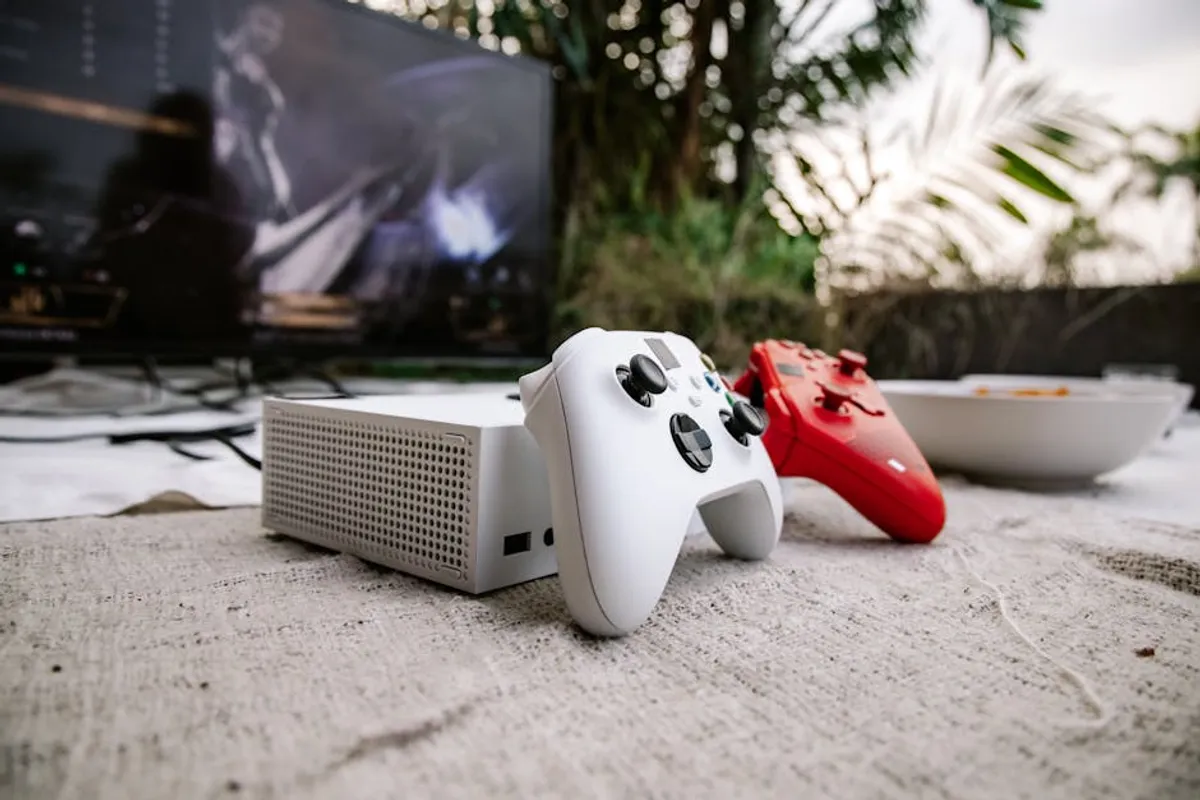
Transforming a backyard into a functional extension of a modern home requires thoughtful integration of entertainment elements. The objective is to create an outdoor living space that mirrors the comfort and technological sophistication found indoors, while also withstanding environmental factors. This involves selecting systems and components that offer durability, seamless connectivity, and intuitive control, ensuring the investment enhances both leisure and property value. The decision process for modern backyard entertainment centers on balancing aesthetic integration with robust performance and user experience. Achieving this requires careful consideration of seamless outdoor connectivity to ensure all systems work in harmony.
Key Considerations for Modern Backyard Entertainment
When evaluating options for modern backyard entertainment, several factors dictate the long-term satisfaction and utility of your investment. Prioritize systems designed for outdoor environments, specifically those with high ingress protection (IP) ratings against dust and water, UV resistance, and temperature stability. Connectivity is paramount; look for solutions that integrate seamlessly with existing smart home ecosystems, offering centralized control via mobile apps or voice commands. Scalability is another critical aspect, allowing for future expansion or adaptation as needs evolve. Consider the overall aesthetic impact, ensuring chosen elements complement the home's architectural style and the landscape design. Finally, assess the installation requirements—some systems are DIY-friendly, while others necessitate professional setup for optimal performance and safety, especially for electrical and plumbing components.
1. Integrated Outdoor Audio Systems
These systems are engineered to deliver high-fidelity sound across expansive outdoor environments, often employing satellite speakers and in-ground subwoofers for discreet placement and balanced audio. They prioritize weather resistance, with components built to withstand extreme temperatures, moisture, and UV exposure. Modern iterations offer multi-zone control, allowing different audio sources or volume levels in various backyard areas, all managed through a central interface or smart home application. The emphasis is on creating an immersive soundscape that complements outdoor activities without visual intrusion.
Best for: Homeowners prioritizing a cohesive, high-quality audio experience for entertaining, poolside relaxation, or creating an ambient background for daily outdoor living.
Pros: Superior sound distribution and clarity compared to portable speakers; discreet, permanent installation; exceptional weather durability; often integrates with existing indoor audio and smart home platforms for unified control.
Cons: Significant initial investment and professional installation are typically required; system design needs careful planning to avoid sound bleed into neighboring properties; limited portability once installed.
Verdict: For those seeking a truly immersive and permanent outdoor audio solution, these systems offer unparalleled performance and aesthetic integration, justifying the higher cost through longevity and superior sound quality.
2. Advanced Outdoor Projection & Display Units
These entertainment solutions center around large-format visual displays designed specifically for outdoor use. This includes weather-resistant projectors paired with motorized, retractable screens, or dedicated outdoor LED televisions built to endure direct sunlight, rain, and temperature fluctuations. The technology focuses on high brightness outputs and anti-glare coatings to ensure visibility even during daylight hours, transforming patios or pool decks into open-air cinemas or sports viewing areas. Connectivity options typically include Wi-Fi, Bluetooth, and multiple HDMI inputs for various media sources.
Best for: Families and entertainers who desire a dedicated outdoor cinematic experience, live sports viewing, or large-scale video game sessions under the stars.
Pros: Creates a dramatic focal point for outdoor gatherings; robust construction for all-weather performance; high-definition visual quality; can be integrated with outdoor audio systems for a complete media experience.
Cons: Projector-based systems require careful light control for optimal viewing; dedicated outdoor TVs can be expensive and may still suffer from glare in direct, intense sunlight; professional installation is often necessary for wiring and mounting.
Verdict: An impactful addition for visual entertainment, these units excel at delivering a big-screen experience outdoors, provided environmental factors like ambient light and viewing angles are carefully managed during planning and installation.
3. Smart Landscape Lighting Platforms
Beyond simple illumination, smart landscape lighting platforms offer dynamic control over outdoor ambiance. These systems utilize low-voltage LED fixtures, often wirelessly connected, allowing users to adjust brightness, color temperature, and even color palettes via a smartphone app or smart home hub. Features include scheduling, motion activation, and integration with other smart devices, enabling scenes for entertaining, security, or relaxation. The focus is on enhancing aesthetics, safety, and functionality through programmable light sequences and zones.
Best for: Homeowners looking to elevate their outdoor aesthetics, improve security, and create versatile moods for different occasions with minimal effort.
Pros: Energy-efficient LED technology; precise control over illumination and color; enhances property safety and curb appeal; easy integration with broader smart home ecosystems; often scalable with additional fixtures.
Cons: Initial setup can be complex for extensive systems, potentially requiring professional electrical work; higher upfront cost than traditional landscape lighting; reliance on Wi-Fi or Bluetooth for control can introduce connectivity issues in large yards.
Verdict: A foundational element for modern outdoor living, smart lighting transforms the backyard from dusk till dawn, offering practical benefits alongside significant aesthetic improvements that are easily customizable.
4. Premium Modular Outdoor Kitchens
These aren't just grills; they are comprehensive cooking and entertaining zones designed for outdoor durability and functionality. Modular units allow for customization with elements like built-in grills, side burners, refrigerators, sinks, storage drawers, and even pizza ovens. Constructed from weather-resistant materials such as marine-grade stainless steel, concrete, or high-density polyethylene, they are engineered for longevity and easy maintenance. The design emphasizes ergonomic workflow and seamless integration into the outdoor living space.
Best for: Enthusiastic outdoor chefs and entertainers who require a fully functional culinary space to host gatherings and prepare meals al fresco.
Pros: Expands home living space for cooking and dining; highly customizable layouts to fit specific needs and aesthetics; durable construction withstands harsh weather; increases property value and appeal.
Cons: Substantial investment, especially for comprehensive setups; requires dedicated utility connections (gas, water, electricity); can take up significant backyard footprint; professional installation is often necessary.
Verdict: For those committed to extensive outdoor entertaining and cooking, a modular outdoor kitchen provides unmatched utility and luxury, turning the backyard into a true extension of the home's culinary capabilities.
5. Automated Retractable Shade Structures
These systems provide on-demand protection from sun and light rain, offering flexibility that fixed structures cannot. Options include motorized pergolas with adjustable louvers, retractable awnings, and large-scale patio covers, often controlled via remote, smartphone app, or integrated with smart home systems. Materials are selected for durability and weather resistance, such as marine-grade fabrics and powder-coated aluminum frames. The automation allows for quick adjustments to changing weather conditions, optimizing comfort and usability of outdoor spaces.
Best for: Homeowners seeking versatile sun and weather protection that can be deployed or retracted as needed, maintaining open-sky views when desired.
Pros: Provides instant shade and light rain protection; preserves open views when retracted; enhances comfort and extends the usability of outdoor areas; modern designs integrate cleanly with contemporary architecture.
Cons: Higher cost than fixed shade solutions; mechanical components require occasional maintenance; power source is needed for automation; can be susceptible to high winds if not properly secured or retracted.
Verdict: A premium solution for dynamic climate control, these automated structures offer convenience and flexibility, making outdoor spaces comfortable and usable regardless of the sun's intensity or light precipitation.
6. Designer Outdoor Fire & Water Features
These installations combine the elements of fire and water to create captivating focal points and sensory experiences in the backyard. Modern designs emphasize clean lines, durable materials like concrete, corten steel, and natural stone, and often incorporate smart controls for ignition, flame height, and water flow. Options range from linear gas fire pits integrated into seating areas to architectural water walls with LED lighting. They serve as both aesthetic enhancements and functional elements for ambiance and relaxation.
Best for: Individuals who prioritize creating a sophisticated, multi-sensory outdoor atmosphere for relaxation, intimate gatherings, and visual appeal.
Pros: Creates a striking visual and auditory centerpiece; enhances evening ambiance and warmth; available in a wide range of modern designs; can increase property aesthetic value and appeal.
Cons: Requires professional installation for gas lines, plumbing, and electrical; ongoing maintenance for water features (cleaning, refilling); higher initial cost than simple fire pits or fountains; safety considerations for open flames.
Verdict: These features are an investment in creating a luxurious and tranquil outdoor retreat, offering significant aesthetic impact and a unique blend of natural elements with modern design and control.
7. Smart-Connected Outdoor Spa & Plunge Pools
Moving beyond basic hot tubs, these systems integrate advanced hydrotherapy, customizable lighting, and smart home connectivity. They often feature energy-efficient heating, sophisticated filtration, and remote control capabilities for temperature, jets, and sanitation cycles via smartphone apps. Designs are contemporary, focusing on clean lines and high-quality, durable materials that blend seamlessly with modern landscape architecture. Plunge pools offer a compact, refreshing alternative to full-sized swimming pools, often with integrated heating for year-round use.
Best for: Homeowners seeking a personal wellness retreat or a compact, refreshing aquatic feature with advanced controls and energy efficiency.
Pros: Offers hydrotherapy benefits and relaxation; compact size makes them suitable for smaller backyards; smart controls enhance convenience and energy management; adds significant luxury and value to a property.
Cons: Substantial upfront cost and installation complexity (electrical, plumbing, foundation); requires ongoing chemical maintenance and cleaning; energy consumption can be considerable, even with efficient models; permits often required.
Verdict: A significant investment that delivers daily wellness and entertainment value, these smart spas and plunge pools offer a high-tech, luxurious aquatic experience for modern homes, provided the commitment to maintenance is understood.
8. Climate-Controlled Outdoor Lounge Enclosures
These structures extend the indoor living experience outdoors by providing protection from extreme weather while maintaining an open feel. They range from sophisticated glass sunrooms with retractable walls to insulated pergolas with integrated heating, cooling, and ventilation systems. Features often include smart glass technology for tinting, automated screens for insect control, and advanced environmental controls, allowing the space to be comfortable year-round. The design goal is to create a seamless transition between interior and exterior.
Best for: Those who want to maximize outdoor living space usability throughout the year, regardless of temperature fluctuations, insects, or light precipitation.
Pros: Extends outdoor living season significantly; protects from insects and harsh weather; offers comfort comparable to indoor spaces; enhances property value by adding functional square footage.
Cons: High construction costs and complexity, often requiring architectural planning and permits; requires dedicated HVAC or climate control systems; can feel less "outdoors" than open-air options; maintenance of glass and mechanical components.
Verdict: A premium solution for year-round outdoor enjoyment, these climate-controlled enclosures effectively merge indoor comfort with outdoor ambiance, though they represent a considerable construction and operational investment.
9. Interactive Outdoor Gaming & Activity Zones
These systems integrate technology into traditional backyard games or create entirely new interactive experiences. Examples include smart putting greens with digital scoring and customizable hole layouts, projection-mapped games on patios, or advanced cornhole sets with LED lighting and app-connected scoring. The focus is on enhancing engagement through technology, making casual games more competitive, trackable, and visually stimulating. Durability and weather resistance are key, as components are exposed to the elements and physical activity.
Best for: Families and hosts who enjoy active entertainment and wish to bring a competitive, tech-enhanced edge to their outdoor leisure activities.
Pros: Encourages active participation and social interaction; offers novel entertainment beyond traditional games; can be customized to various skill levels and preferences; durable for outdoor conditions.
Cons: Can be niche, appealing to specific interests; some systems require dedicated space; initial setup and calibration might be complex; reliance on apps or connectivity for full functionality.
Verdict: For those seeking to inject modern, interactive fun into their backyard, these gaming zones offer a unique blend of physical activity and digital engagement, transforming casual play into a more dynamic experience.
10. Ergonomic All-Weather Outdoor Furniture Sets
Beyond basic patio seating, these collections combine advanced ergonomics with materials designed for extreme outdoor conditions. They feature modular designs for flexible arrangements, often incorporating smart elements like integrated wireless charging, LED lighting, or heating pads. Materials include marine-grade polymer, powder-coated aluminum, synthetic wicker, and quick-drying, UV-resistant fabrics. The emphasis is on comfort, durability, and contemporary aesthetics that align with modern home design, minimizing maintenance while maximizing usability.
Best for: Homeowners who prioritize comfort, style, and longevity in their outdoor furnishings, desiring pieces that withstand the elements and offer integrated conveniences.
Pros: Exceptional durability and weather resistance; ergonomic design for superior comfort; low maintenance; modularity allows for flexible configurations; integrated tech features enhance convenience.
Cons: Higher price point than conventional outdoor furniture; can be heavy and difficult to reposition; limited design choices within the "all-weather, ergonomic" niche compared to broader furniture markets; integrated tech features rely on power.
Verdict: An essential investment for any modern backyard, these furniture sets provide the foundation for comfortable outdoor living, offering a blend of robust construction, ergonomic design, and smart features that justify their premium cost.
Making the Right Choice for Your Outdoor Space
Selecting the optimal backyard entertainment solutions requires a holistic view of your property, lifestyle, and budget. Begin by defining the primary purpose of your outdoor space: is it for large gatherings, quiet relaxation, active play, or a combination? Consider the climate in your region; extreme heat, cold, or precipitation will dictate material choices and system resilience. Evaluate how seamlessly new installations will integrate with your home’s existing architecture and smart home ecosystem. Prioritize scalability and ease of maintenance to ensure long-term satisfaction. Consulting with landscape designers or home automation specialists can provide valuable insights into optimal placement, wiring, and system integration, ensuring a cohesive and functional outdoor environment that truly extends your modern living space.
Frequently Asked Questions About Backyard Entertainment
What is the typical lifespan of modern outdoor entertainment systems?
The lifespan varies significantly by component, but quality outdoor audio, lighting, and display systems are designed for 10-15 years or more with proper maintenance. Materials like marine-grade stainless steel and UV-resistant polymers contribute to longevity.
Can outdoor entertainment systems be controlled remotely?
Yes, most modern outdoor entertainment systems, especially those designed for smart homes, offer remote control via smartphone apps, voice assistants, or integrated control panels. This includes audio, lighting, shade structures, and even spa settings.
Are these systems energy efficient?
Many modern systems prioritize energy efficiency. LED lighting is standard, and advanced outdoor displays and audio systems often incorporate power-saving modes. However, larger installations like climate-controlled enclosures or heated spas will naturally have higher energy demands.
What kind of maintenance do outdoor entertainment features require?
Maintenance depends on the feature. Audio and lighting systems typically require occasional cleaning of fixtures and checks for connectivity. Water features need regular cleaning and chemical balancing. Outdoor kitchens require cleaning after use, and automated structures may need periodic mechanical checks.
Is professional installation necessary for all backyard entertainment systems?
While some smaller components like smart lighting kits can be DIY-installed, complex systems involving electrical wiring, gas lines, plumbing, or significant structural changes (e.g., outdoor kitchens, climate-controlled enclosures, integrated audio) almost always require professional installation to ensure safety, optimal performance, and compliance with local codes.