
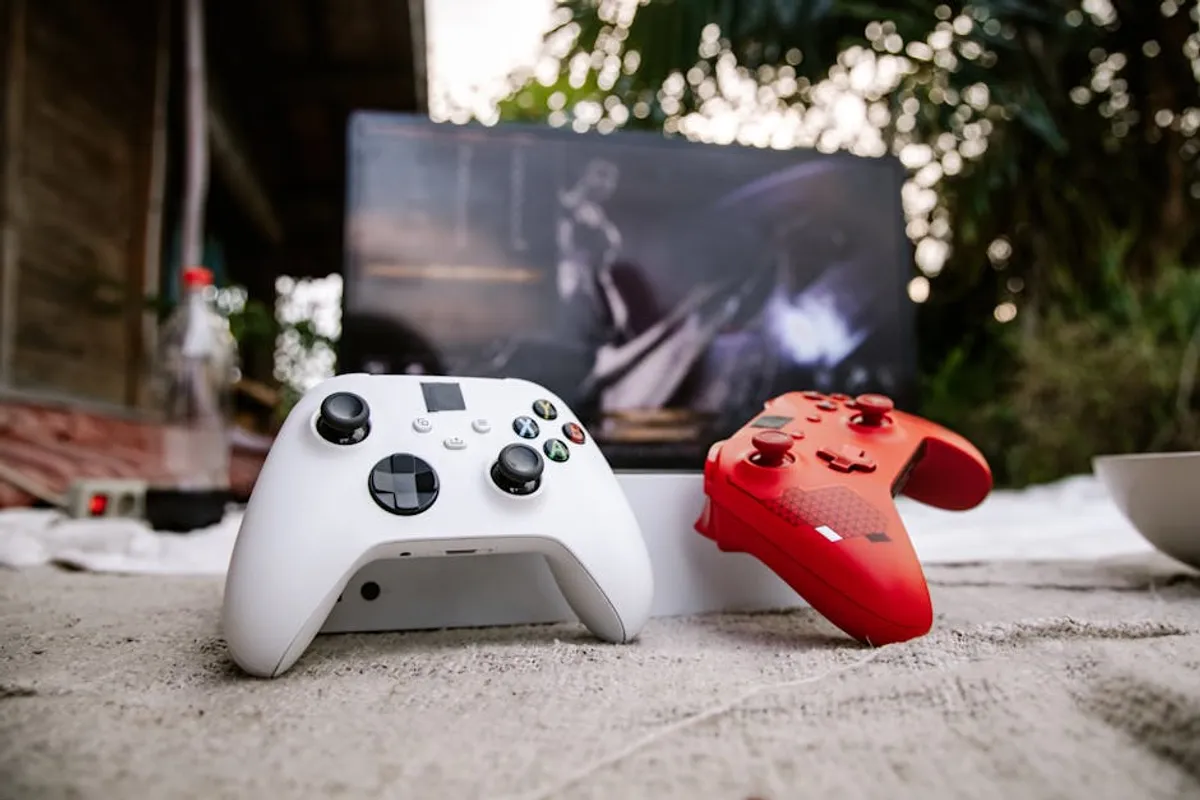
Transforming an outdoor space into a functional entertainment zone requires methodical planning beyond simply moving a television outside. The appeal of open-air movie nights, poolside music, or integrated sports viewing is clear, but the technical and environmental challenges are significant. Without a structured approach, installations can lead to costly rework, premature equipment failure, or a subpar user experience. This checklist provides a framework for addressing critical considerations from initial site assessment to final system calibration, ensuring durability, connectivity, and performance in an outdoor setting.
Initial Planning and Site Assessment
Before any equipment purchases or trenching begins, a thorough assessment of the intended entertainment area is essential. This phase dictates equipment selection, wiring paths, and overall system resilience.
Define Entertainment Objectives
- Primary Use Cases: Determine if the system is for casual background music, dedicated movie nights, sports viewing, or a combination. This influences audio power, display size, and connectivity needs.
- Audience Size: Consider typical guest numbers. Larger gatherings require broader sound dispersion and potentially multiple display zones.
- Usage Frequency: High-frequency use justifies more robust, permanently installed solutions; occasional use might allow for more portable or temporary setups.
Environmental and Structural Evaluation
The outdoor environment introduces unique challenges that indoor systems do not face.
- Sunlight Exposure: Direct sun impacts display visibility and equipment overheating. Consider shaded areas or high-brightness outdoor displays.
- Weather Protection: Assess exposure to rain, wind, dust, and extreme temperatures. All components must meet appropriate IP (Ingress Protection) ratings for water and dust resistance.
- Line of Sight: For projectors, evaluate throw distance and potential obstructions. For displays, ensure clear viewing angles from primary seating areas.
- Sound Propagation: Understand how sound will travel and reflect in the space, considering potential impact on neighbors.
- Ground Stability: For freestanding speakers or display mounts, ensure stable, level surfaces.
Power and Connectivity Requirements
Reliable power and robust network access are foundational to any outdoor entertainment system.
Electrical Infrastructure
Outdoor electrical work must comply with local codes and prioritize safety.
- Dedicated Circuits: Allocate separate circuits for high-draw components like outdoor TVs, amplifiers, and projectors to prevent overloads.
- Weatherproof Outlets: Install GFCI (Ground Fault Circuit Interrupter) outlets with "in-use" covers in all necessary locations, positioned to minimize water exposure.
- Conduit and Cabling: All outdoor wiring should be rated for direct burial or run through rigid, waterproof conduit. Use UV-resistant, outdoor-rated cables for all connections.
Network and Signal Distribution
A strong, stable network connection is crucial for streaming and smart device control.
- Wi-Fi Range Extension: Outdoor access points or mesh network extenders are often necessary to provide consistent Wi-Fi coverage across the entire entertainment zone.
- Hardwired Connections: For critical components like streaming devices or network switches, consider running outdoor-rated Ethernet cables to ensure maximum reliability and speed, especially for 4K streaming.
- Signal Source Location: Determine where media players, cable boxes, or other sources will be housed. This might require extending HDMI or optical audio signals over longer distances, potentially using fiber optic or HDBaseT extenders.
Audio System Setup
Outdoor audio requires different considerations than indoor setups due to the lack of reflective surfaces.
Speaker Selection and Placement
- Outdoor-Rated Speakers: Select speakers specifically designed for outdoor use, resistant to moisture, temperature fluctuations, and UV exposure.
- Distribution and Coverage: Strategically place multiple speakers to achieve even sound dispersion, avoiding hot spots or dead zones. Consider landscape speakers, rock speakers, or wall-mounted options.
- Subwoofer Integration: Outdoor subwoofers (often buried or discreetly placed) add depth to the audio experience, compensating for the lack of natural bass reflection outdoors.
Amplification and Control
Outdoor audio systems often require more power than indoor equivalents.
- Weather-Resistant Amplifier: While most amplifiers are housed indoors, ensure any components exposed to the elements are rated for outdoor use.
- Zone Control: For larger areas, consider multi-zone amplifiers that allow independent volume control for different areas (e.g., patio vs. pool deck).
Pro Tip: When planning speaker placement, aim to create a balanced sound field rather than focusing on high volume from a single point. Multiple lower-wattage speakers distributed evenly often provide a superior listening experience and minimize sound bleed to neighboring properties compared to fewer, louder speakers.
Visual Display Integration
Outdoor displays face challenges from ambient light, glare, and weather.
Display Type and Size
- Outdoor Televisions: These are purpose-built with higher brightness, anti-glare screens, and robust weatherproofing (IP ratings). Standard indoor TVs are not suitable for permanent outdoor installation.
- Projectors and Screens: Outdoor projectors require high lumen output to combat ambient light. Retractable or fixed outdoor screens must be durable and weather-resistant.
- Viewing Distance: Match screen size to typical viewing distances for comfortable viewing without eye strain.
Mounting and Protection
- Weatherproof Mounts: Use outdoor-rated mounts that can withstand corrosion and securely hold the display.
- Protective Enclosures: For less robust displays or projectors, consider specialized outdoor enclosures that offer additional protection from elements, insects, and theft.
Lighting and Ambiance
Integrated lighting enhances the entertainment experience and improves safety.
- Task Lighting: Ensure adequate illumination for pathways, seating areas, and food preparation zones.
- Accent Lighting: Use decorative lighting to highlight landscaping features or create a specific mood. Smart lighting systems allow for color changes and dimming, often controllable via the same app as the entertainment system.
- Safety Lighting: Strategically placed lighting can deter unauthorized access and improve visibility around steps or uneven surfaces.
Safety and Security Considerations
Protecting both users and equipment is paramount.
- Cable Management: Bury or neatly secure all cables to prevent tripping hazards and protect them from damage.
- Theft Deterrence: Secure valuable equipment with anti-theft mounts or consider enclosures with locking mechanisms. Motion-activated lighting or security cameras can also act as deterrents.
- Water Proximity: If near a pool or other water features, ensure all electrical components are installed to strict safety standards, often requiring greater distances from water sources or specific low-voltage solutions.
Final Testing and Refinement
A comprehensive system check ensures everything functions as intended before enjoying the space.
- Functionality Check: Test all audio, video, and control functions. Verify remote control operation, app connectivity, and source switching.
- Sound Calibration: Adjust speaker levels and equalization for optimal sound in the outdoor environment.
- Display Optimization: Adjust brightness, contrast, and color settings for best viewing under various ambient light conditions (daytime vs. nighttime).
- Network Performance: Confirm consistent Wi-Fi signal strength and data speeds across the entire entertainment zone.
Sustaining Your Outdoor Entertainment Experience
Establishing an outdoor entertainment system is an investment that yields significant enjoyment when properly executed. By meticulously addressing each point on this checklist, from the initial environmental assessment to the final system calibration, you create a robust, reliable, and truly immersive outdoor living space. Regular maintenance, such as cleaning equipment and checking connections, will extend the lifespan and performance of your system, ensuring years of seamless entertainment.
Frequently Asked Questions
What is the most critical factor for outdoor entertainment longevity?
The most critical factor is selecting equipment with appropriate IP (Ingress Protection) ratings and ensuring all electrical installations meet outdoor safety standards. Weatherproofing and UV resistance directly impact durability.
Do I need professional help for installation?
For complex systems involving electrical wiring, trenching, or intricate network configurations, professional installation is strongly recommended. This ensures compliance with local codes, optimal performance, and safety.
How can I protect my outdoor electronics from extreme temperatures?
Purpose-built outdoor TVs and speakers are designed to withstand wider temperature ranges. For other components, consider ventilated, weatherproof enclosures or ensure they are placed in shaded, protected areas that minimize direct exposure to heat or freezing conditions.
What about sound leakage to neighbors?
Careful speaker placement and system calibration can mitigate sound leakage. Distribute multiple speakers at lower volumes rather than relying on a few loud ones. Consider directional speakers or consult with an audio professional to optimize sound containment for your specific outdoor layout.